
The Ultimate Bangkok Travel Guide: Hotels, Food, Weed Shops & BTS Tips (2026)
I didn't really have a plan going into Bangkok. I had a flight, a vague idea of a neighborhood to stay in, and a list of restaurants I'd screenshotted from other people's Instagram stories. Somehow it worked out — mostly because Bangkok is one of those cities that rewards you even when you're winging it. Here's everything I wish I'd known before I landed, from the airport to the barbershop.
Getting From the Airport: Grab Tips and Arrival Navigation
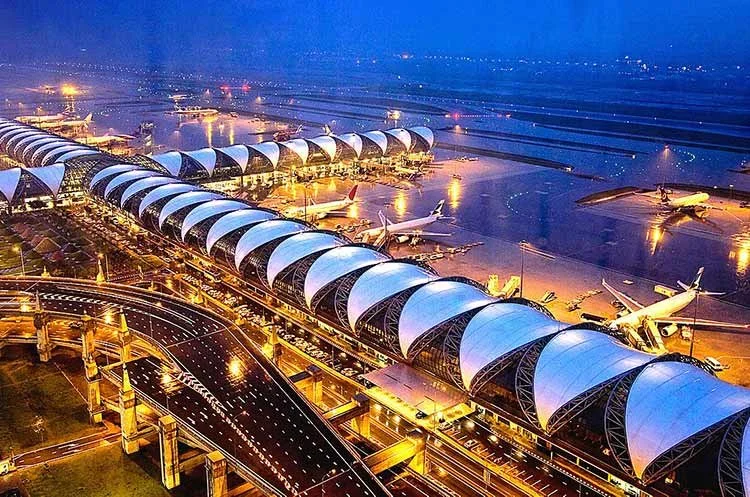
Suvarnabhumi Airport (BKK)
Suvarnabhumi Airport (BKK) is huge, but it's manageable once you know where you're going.
Apps to download before you land (seriously, do this before you board your flight, not after you land):
Grab — the Uber/Lyft of Southeast Asia. This is how you're getting almost everywhere, including out of the airport.
Google Maps — download the Bangkok area offline in case your data is spotty on arrival.
Google Translate — the camera translation feature is a lifesaver for menus and street signs.
LINE — Thailand runs on this app. Restaurants, tour guides, even your Airbnb host will probably ask for your LINE instead of your phone number.
A Thailand eSIM (Airalo, Nomad, or similar) — install it before you fly so you land with data already working instead of hunting for a SIM counter with a suitcase in tow.
Arrival and airport navigation tips:
Budget at least 45 minutes for immigration if you land during peak hours (midnight–3am or 6–9am). Off-peak, it can take as little as 15–20 minutes.
Make sure your passport has at least six months of validity left before you fly.
If you didn't get an eSIM, physical SIM card counters are in the baggage claim area (before customs) and again in the arrivals hall on Level 2. Bring your passport — they'll install and activate it for you on the spot.
ATMs are everywhere in the arrivals hall, but Thai bank ATMs charge a flat ~220 THB foreign transaction fee per withdrawal, so take out more at once rather than making multiple trips.
Grab pickup points are on Level 1 (arrivals floor), zones B, C, and D — about a two-minute walk from immigration. Order your Grab before you walk outside so the driver is already en route by the time you get there.
If you want to avoid road traffic entirely, the Airport Rail Link (ARL) connects Suvarnabhumi to central Bangkok and now accepts contactless card/mobile wallet payment at the gates — just know you'll be managing your own luggage on stairs and escalators.
Where to Stay in Bangkok: Breaking Down the Areas
Bangkok is sprawling, so where you base yourself really shapes your trip.
Sukhumvit (Asok to Phrom Phong)— the safest bet for first-timers. Central, BTS-connected, and close to everything. This is where I'd point most people. Avg ~$70–100/night for a solid mid-range hotel.
Thonglor/Ekamai — Bangkok's "Soho." Best area for bars, restaurants, and a younger, trendier crowd. Avg ~$60/night.
Silom — financial district by day, nightlife and the LGBTQ+ scene by night. Good for long stays. Avg ~$85–90/night.
Banglamphu/Khao San— the backpacker zone. Cheapest, most social, loud. Avg ~$20–40/night for hostels and budget hotels; boutique options run higher.
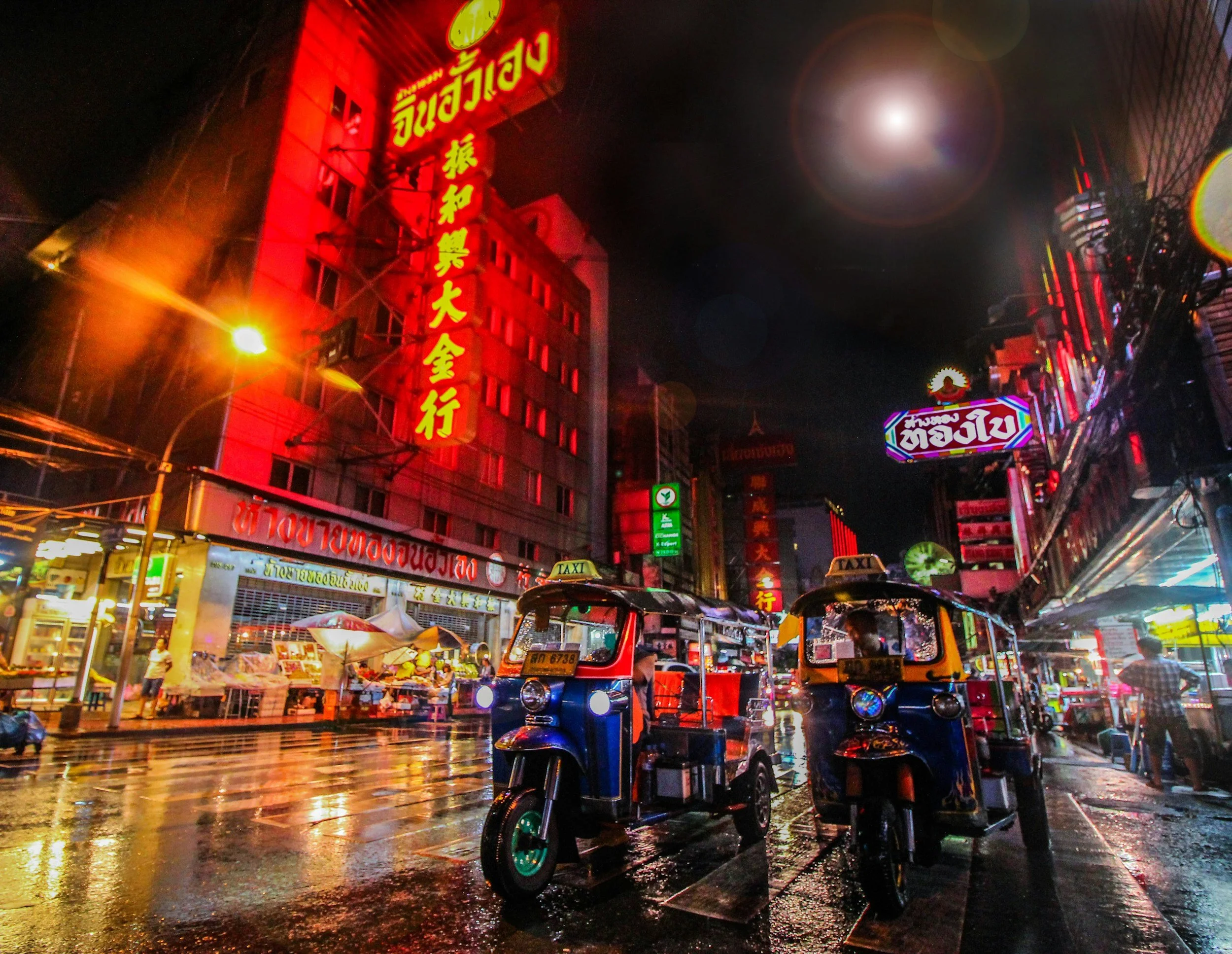
Chinatown — old Bangkok energy, neon signs, and arguably the best street food in the city. Avg ~$55–90/night, depending heavily on which source you check.
Ari — quieter, hipster, more of an expat neighborhood if you want a break from tourist density. Avg ~$40/night.
BTS Tips
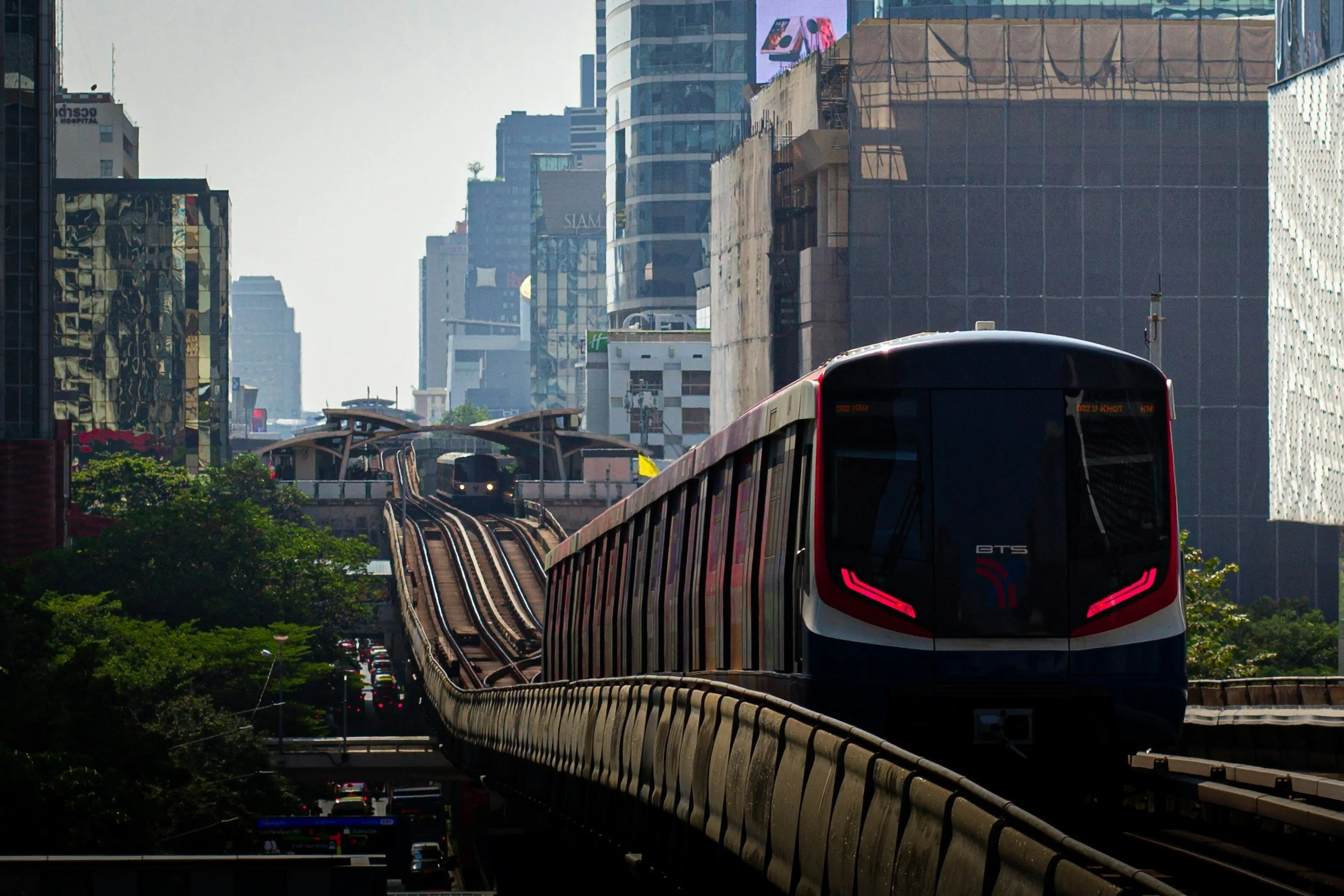
The BTS Skytrain is the easiest way to avoid Bangkok traffic, which can be brutal.
Get a Rabbit Card (about 200 THB, including the card fee) so you're not fumbling with cash and ticket machines every ride. It also works at a growing number of shops and cafes.
A single stop starts around 17 THB; a full cross-town ride tops out around 62 THB — it's cheap.
Important: the Rabbit Card does not work on the MRT (the underground line) — that's a separate card system, so don't assume one card covers both.
You can pick up a Rabbit Card at any BTS station ticket counter, or arrange one in advance for pickup at the airport.
Visiting Weed Shops in Bangkok
Yes, weed shops are genuinely everywhere in Bangkok now, especially around Sukhumvit. Walking down certain sois, you'll pass a dispensary every block or two, often with a lounge in the back. It's a strange and fun bit of culture shock if you're coming from somewhere it's still fully illegal.
The Actual Laws (Read This Before You Buy Anything)
The situation changed in 2025, and it's stricter than the "wild west" era you might have heard about:
Cannabis is legal in Thailand for medical use only as of the current framework. Since June 2025, buying cannabis flower legally requires a PT 33 prescription from a Thai-licensed medical practitioner.
Your foreign medical card doesn't count. A California, Canadian, or European medical marijuana card has zero legal standing in Thailand.
Public consumption is illegal, prescription or not — fines up to 25,000 THB and up to three months in jail.
You cannot bring cannabis into or out of the country, period.
Most hotels have zero-tolerance smell policies. If housekeeping or a neighbor complains, you can be fined or evicted on the spot.
In practice: plenty of shops will still sell to tourists somewhat casually, but you're technically not supposed to buy or possess it without the prescription, and you're never supposed to smoke it in public. Know the risk before you decide what to do with that information.
Popular Smoke Shops:
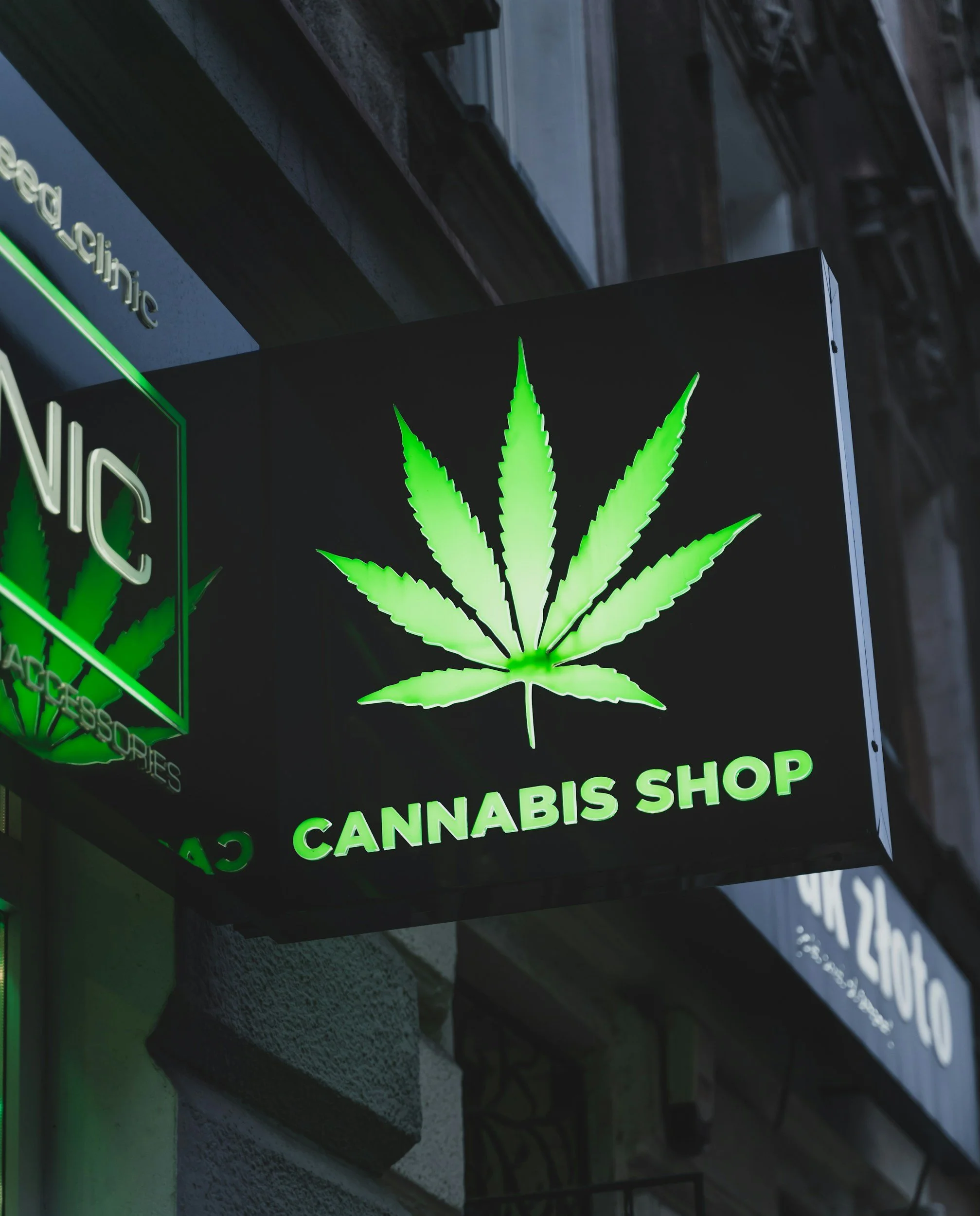
High Society Cannabis Club — the standout. Tucked into Sukhumvit Soi 31 (above a doughnut shop, oddly enough) with a second location on Thanon Phloen Chit. It's less "corner shop" and more upscale lounge — home theater, PlayStation, table games, milkshakes, and a proper smoke lounge. Worth going even just to see the vibe.
Kush House — on Sukhumvit Soi 22 near Emsphere, a short walk from BTS Phrom Phong. GACP-certified flower sourced from a Chiang Mai farm.
LV Cannabis Boutique — also on Soi 22, open 24 hours if you find yourself in a very specific mood at 3am.
Great Hotels in Bangkok:
Here are the hotels actually worth booking if you'd rather have a proper concierge and a pool:
Capella Bangkok — riverside, sleek, and consistently ranked among the best hotels in the world. Infinity pool alone is worth it.
Mandarin Oriental Bangkok — the classic. Historic property on the river, legendary service.
Four Seasons Hotel Bangkok at Chao Phraya River — resort-style luxury without leaving the city.
The Siam — Bill Bensley–designed, riverside, villas instead of standard rooms. A totally different aesthetic from the glass-tower hotels.
The Coach Hotel Sukhumvit – Asok BTS — the budget-friendly pick if you still want boutique style. Rooftop pool, steps from Asok BTS.
The $25 Michelin-Star Meal: Sri Trat Rustic Eastern Thai
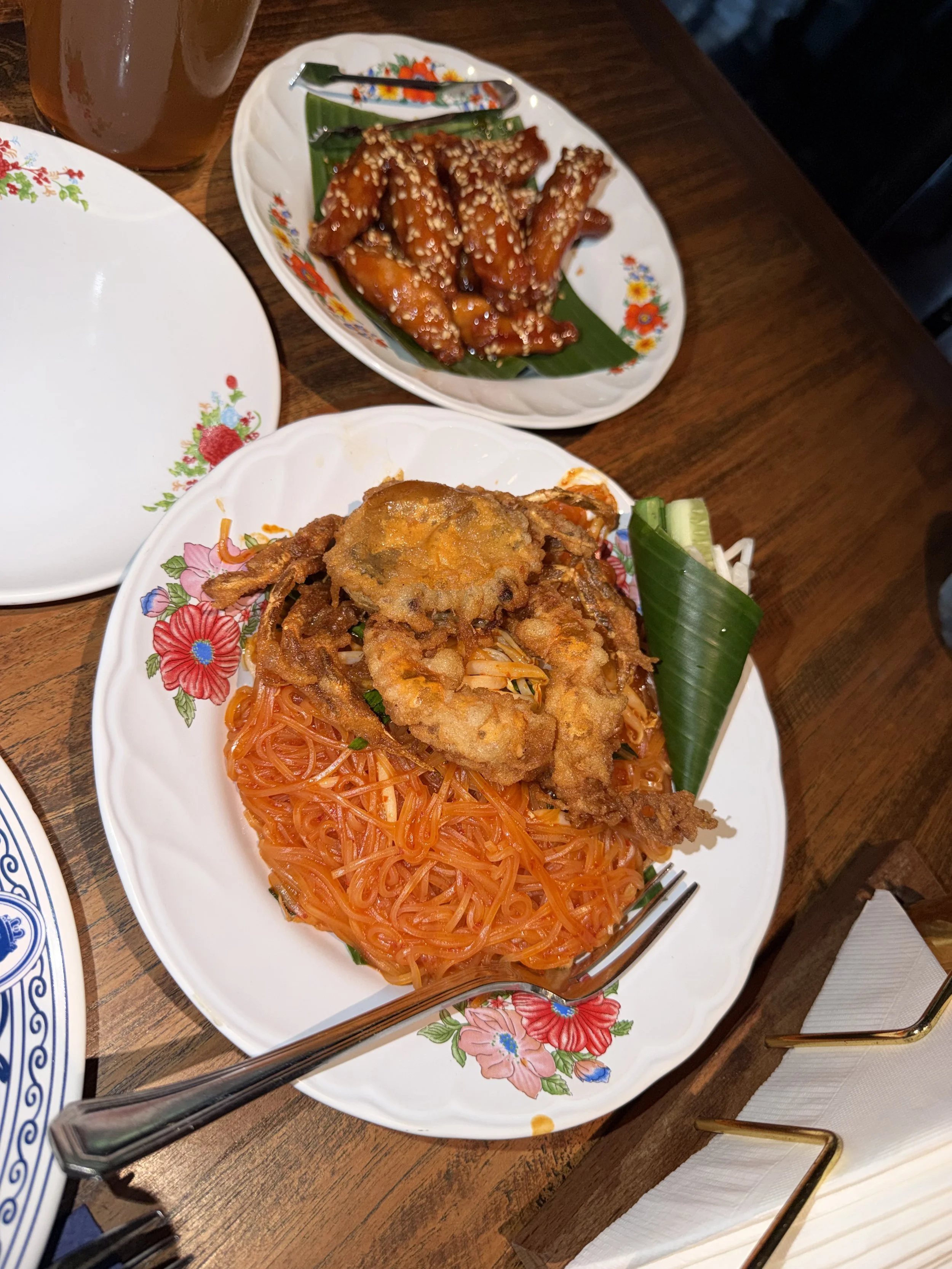
This is the one reservation you actually need to make. Sri Trat holds a Michelin Bib Gourmand and serves Eastern Thai food from Trat province — herb-forward, seafood-heavy, and completely different from the Thai food most people have had before. It's on Soi Sukhumvit 33, about a 12–15 minute walk from Phrom Phong BTS, husband-and-wife run, wood furniture, genuinely rustic interior (in a good way). The Thai salad with crab meat and the red fish curry are the dishes people talk about. Book ahead — it's popular and small, and their LINE app is the easiest way to reserve.
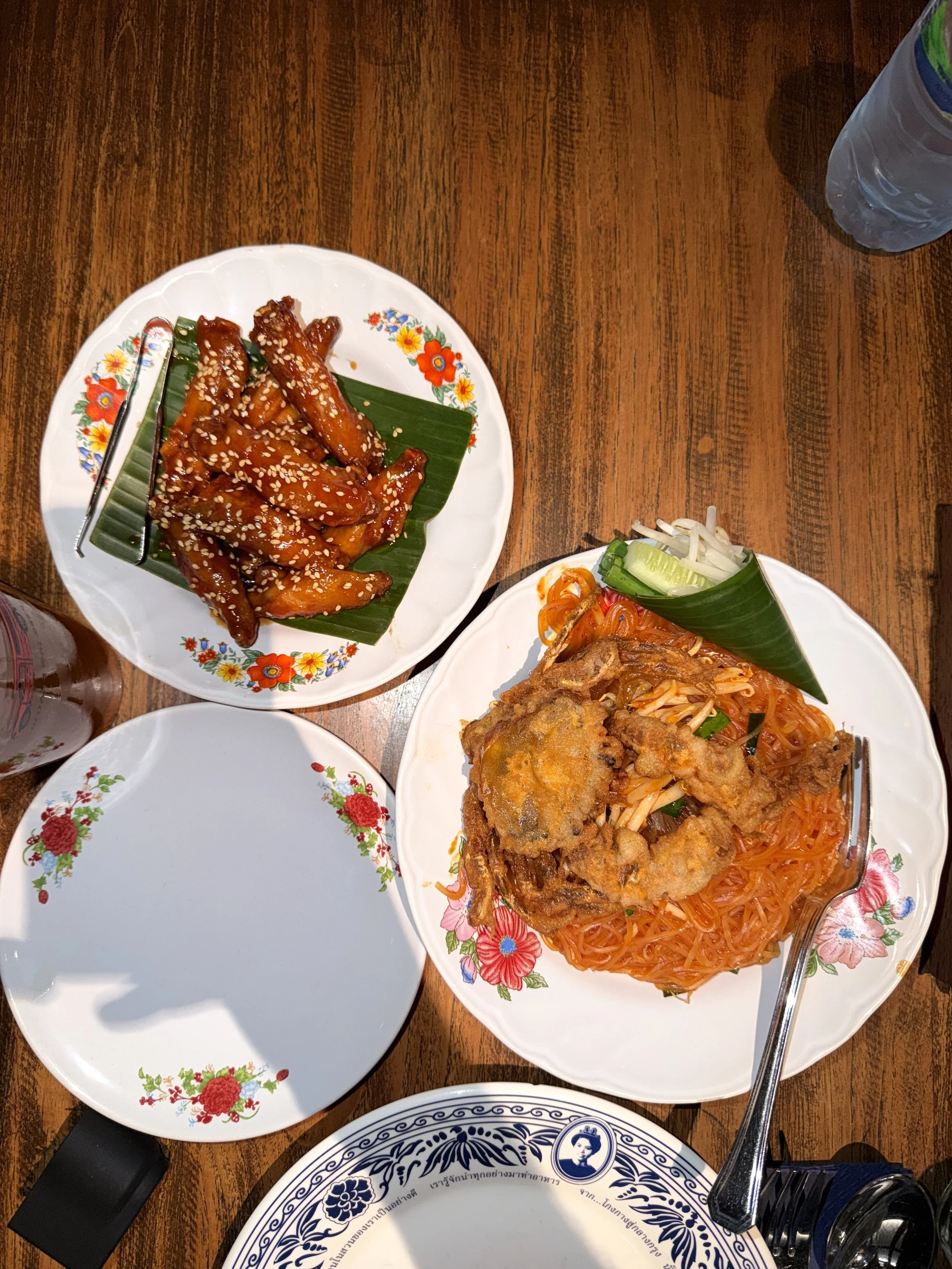
The food was sooooo good!
Tipping Culture in Thailand
Tipping isn't mandatory in Thailand, but it's appreciated, especially in tourist-heavy areas.
Restaurants: many places already add a 10% service charge. If they haven't, 5–10% is a solid tip; bump it to 10–15% at upscale spots. At street food stalls, nobody expects a tip — rounding up is plenty.
Taxis/Grab: not expected, but rounding up to the nearest 10–20 THB is a nice gesture. Add 20–50 THB if the driver helps with luggage.
Everywhere: if you want your server to actually get the tip (instead of it going into a pooled tip jar), hand it to them directly.
Walking Around Phrom Phong (Bangkok's "Rich Area")
After eating at Sri Trat, take the walk back toward Phrom Phong — it's worth doing slowly instead of Grabbing straight there. This is Bangkok's polished, Japanese-expat-heavy neighborhood, and it feels like a different city from the sois around Khao San.
A few things to hit while you're in the area:
EmQuartier and Emporium — two of Bangkok's most upscale malls, connected by a skybridge, with a genuinely impressive food hall if you want air conditioning and people-watching.
Benjasiri Park — small green space across from EmQuartier, good for a breather; there's Sunday morning yoga and weekday tai chi if your trip lines up.
Soi 33 and Soi 31 — dense with high-end Japanese restaurants, a reflection of the neighborhood's large Japanese expat community.
Emsphere — the newest mall in the area, with a large indoor night market food court that's a good low-key dinner option if you're templed and shopped out.
It's a good contrast to the rest of the trip — less chaos, more polish, and a solid reminder that Bangkok contains about five completely different cities depending on which BTS stop you get off at.