
The 10 Cheapest Cities in Vietnam (2026): Where to Eat, Sleep & Explore on a Budget
Vietnam remains one of the best-value countries on earth for travelers. A bowl of pho still costs barely more than a dollar, a private hotel room with a pool runs less than a fast-food meal back home, and even the headline experiences — limestone-river boat rides, mountain treks, island hops — come in well under what you'd pay almost anywhere else in the world.

Riding the Ha Giang Loop
But "cheap" isn't uniform across the country. Some cities stretch your dong much further than others, and a few combine rock-bottom prices with genuinely world-class scenery. Below are ten of the cheapest, best-value cities in Vietnam, with what everyday things actually cost in 2026 and five hand-picked 3–4 star hotels in each — all linked so you can check live rates and book.
Post will continue after this…
I wanted to let you know that I have just finished my 30+ page Vietnam guide, and its currently on sale! Lucky for you, but get it now before the price goes up… You can get it by clicking here, or the image below!
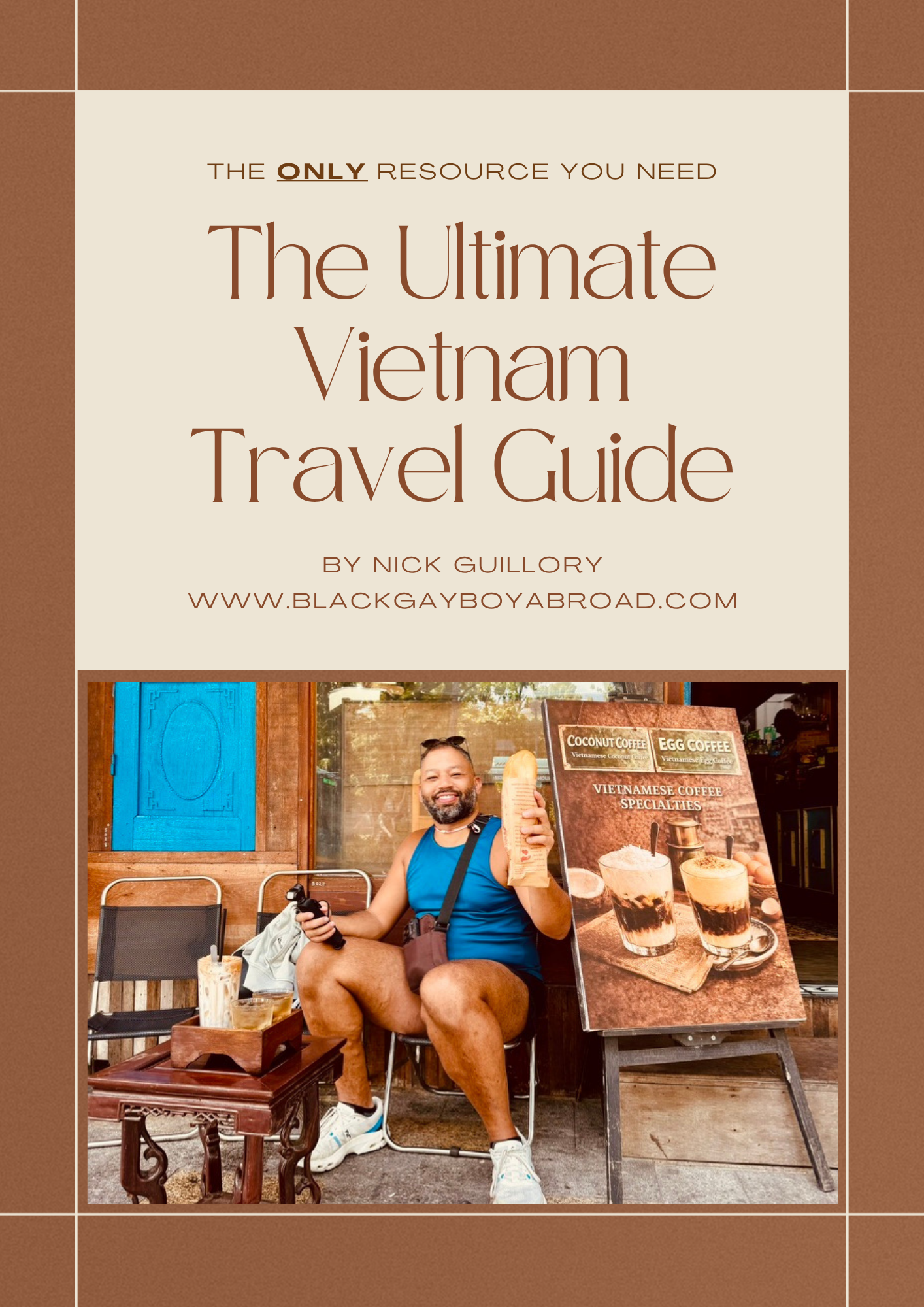
Now back to the list… <3
1. Hanoi
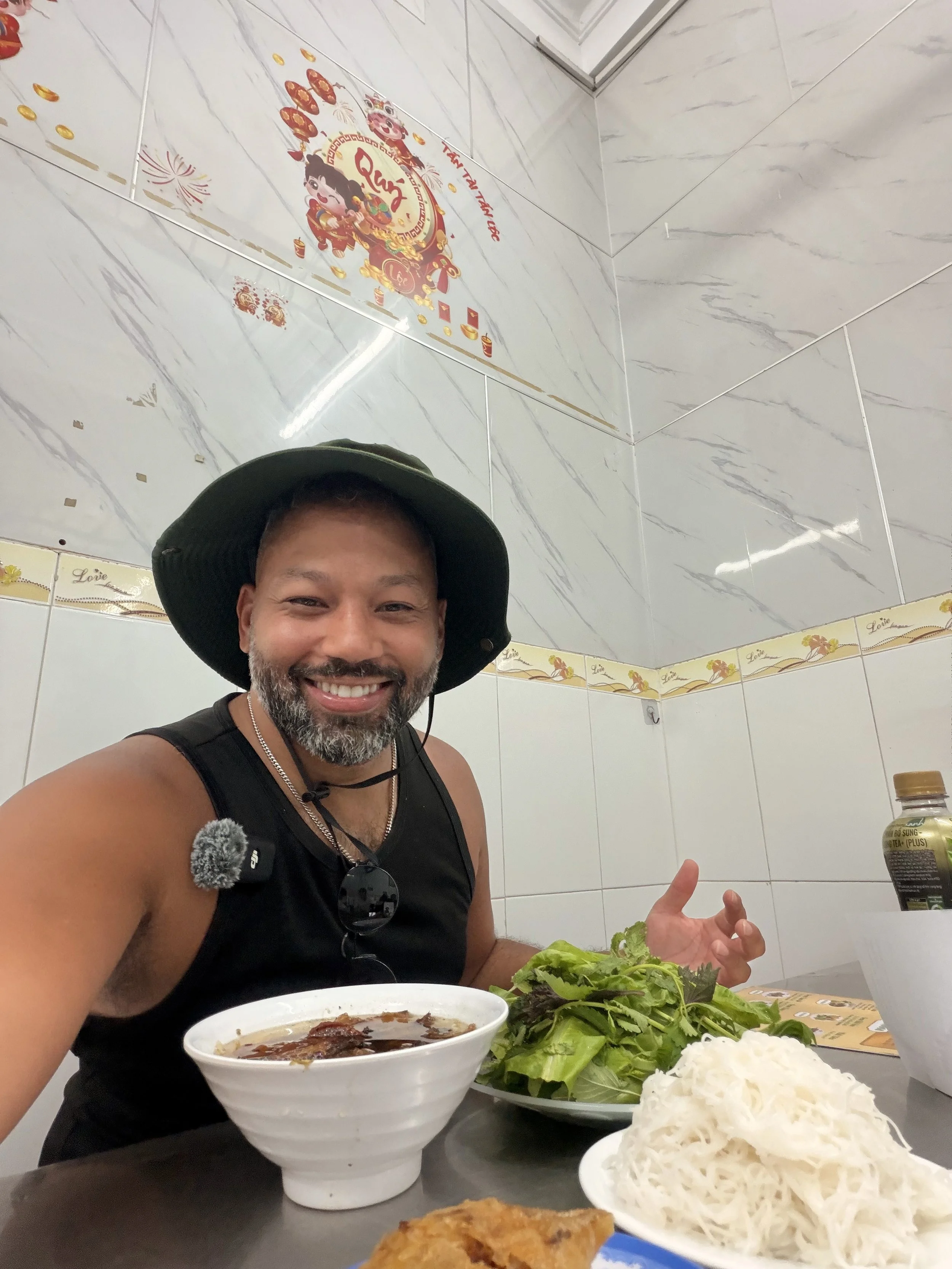
Eating the Obama Special at Bún Chả Hương Liên
Vietnam's 1,000-year-old capital is chaotic, atmospheric, and remarkably cheap once you step a few meters off the most touristy Old Quarter corners. It's also the launchpad for Ha Long Bay and Sa Pa.
What things cost:
Food: Street pho or bun cha runs 35,000–60,000 VND ($1.40–$2.50); banh mi 20,000–35,000 VND ($0.80–$1.40). A sit-down dinner at a mid-range Vietnamese restaurant is around $8–$12. Old Quarter prices run 20–30% higher than a few streets over — walk a block for the local rate.
Transport: GrabBike rides across the center are usually under $1.50; GrabCar $2–$4. The new metro and city buses cost $0.30–$0.65 a ride.
Tours: A Ha Long Bay full-day trip from Hanoi runs about $43; a 2-night overnight cruise is roughly $100–$130. Budget around $25–$40/day as a backpacker, or $60–$120 as a comfortable mid-range traveler.
Where to stay (Old Quarter, 3–4 star):
Hanoi Fiesta Grand Hotel & Spa — rooftop breakfast, superb service. ~$45/night
Léman Old Quarter Hotel — feels brand-new, immaculately clean. ~$42/night
Hanoi Liliane Hotel & Travel — spacious rooms, free breakfast. ~$35/night
Antique Angel Hotel & Travel — vintage charm, great for day-trip booking. ~$32/night
L'Hôtel du Lac Hanoi — 4-star, near Hoan Kiem Lake. ~$55/night
2. Ho Chi Minh City (Saigon)
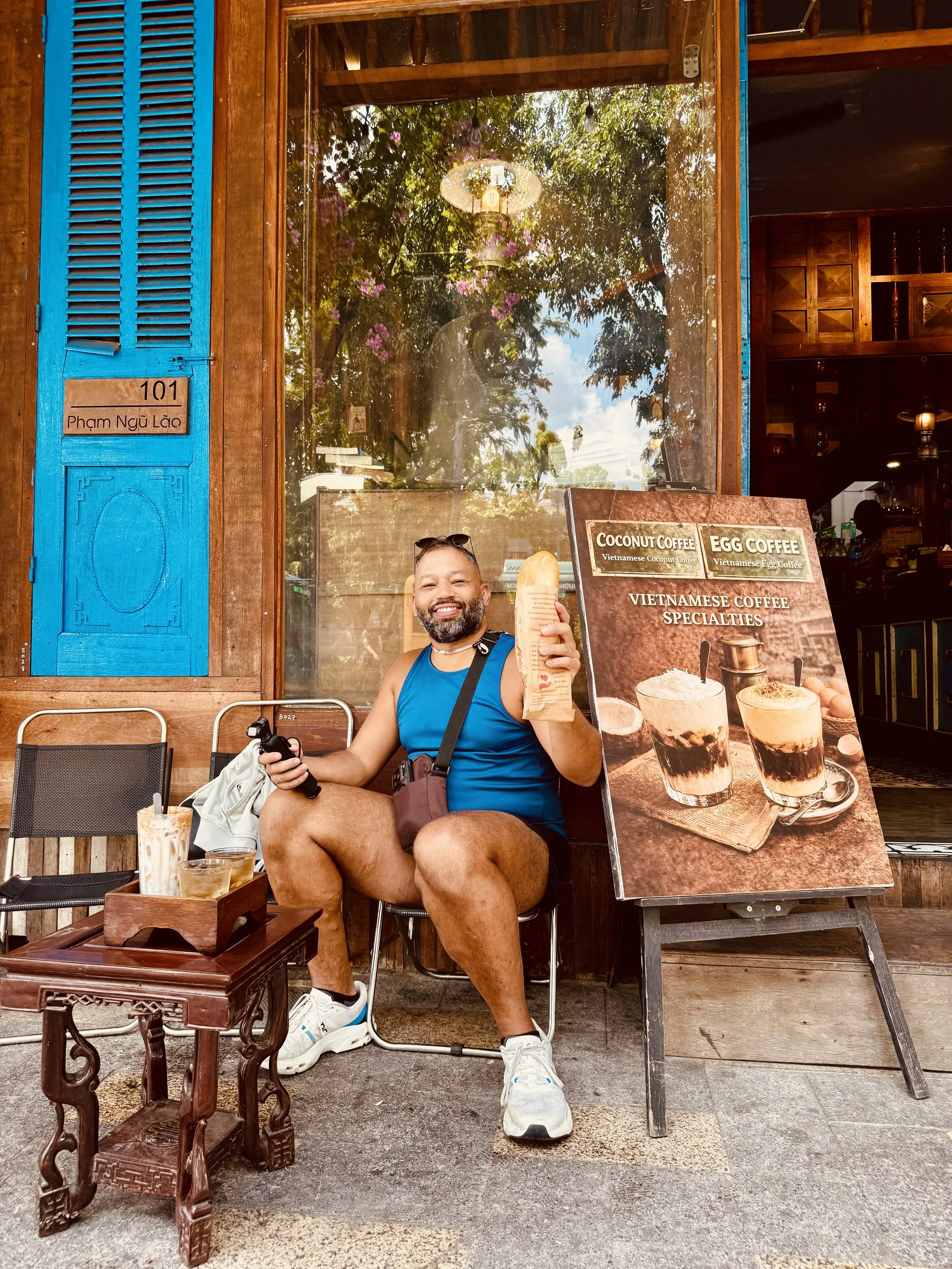
Enjoying coconut coffee and banh mi in Saigon
Faster, hotter, and more modern than Hanoi, Saigon is still a budget powerhouse. District 1 keeps everything walkable, and the new metro makes getting around cheaper than ever.
What things cost:
Food: Street meals $0.80–$3; iconic banh mi $0.80–$1.40, pho $1.80–$2.80. A mid-range Vietnamese dinner is around $8; a museum entry is $1.50–$2.
Transport: Grab rides across District 1 rarely top $2–$3; city buses $0.30–$0.65; the metro $0.30–$0.50.
Tours: Cu Chi Tunnels half-day trips and Mekong Delta day tours typically run $20–$40. Daily budgets start around $15–$25 backpacker, $50–$80 mid-range.
Where to stay (District 1, 3–4 star):
The Concept Hotel HCMC – City Center — stylish, excellent value, free laundry. ~$45/night
Fusion Suites Saigon — spacious suites, quiet street near Ben Thanh. ~$75/night
Liberty Central Saigon Riverside — rooftop views, central. ~$70/night
Equatorial Ho Chi Minh City — big pool and gym, great breakfast. ~$65/night
Hotel Continental Saigon — historic colonial icon on Dong Khoi. ~$90/night
3. Da Lat

Smelling the beautiful flowers of Da Lat — the eternal spring city, you’ll see why…
Vietnam's cool-climate mountain retreat in the Central Highlands. French-colonial villas, pine forests, flower gardens, and waterfalls — plus a famously cheap café and night-market scene.
What things cost:
Food: Da Lat is known for cheap eats — night-market grilled skewers, banh trang nuong ("Da Lat pizza") for under $1, and hearty local meals for $2–$4. Sit-down dinners $5–$8.
Transport: It's compact; most central sights are walkable. Grab rides are $1–$3; scooter rental is roughly $5–$7/day.
Tours: This is canyoning country — a full-day Datanla canyoning adventure starts around 1,590,000 VND (~$63). Waterfall tours run ~$55, and a fun countryside Mario-kart/Crazy House combo is as low as $14.
Where to stay (3–4 star):
Goldient Boutique Hotel Dalat — pool, afternoon tea, exceptional reviews. ~$40/night
La Sapinette Hotel — 4-star French-colonial style, big rooms. ~$45/night
Hôtel Colline — central, by the night market. ~$38/night
Du Parc Hotel Dalat — charming heritage property in the center. ~$35/night
Marigold Hotel Dalat — comfy beds, walkable location. ~$28/night
4. Sa Pa
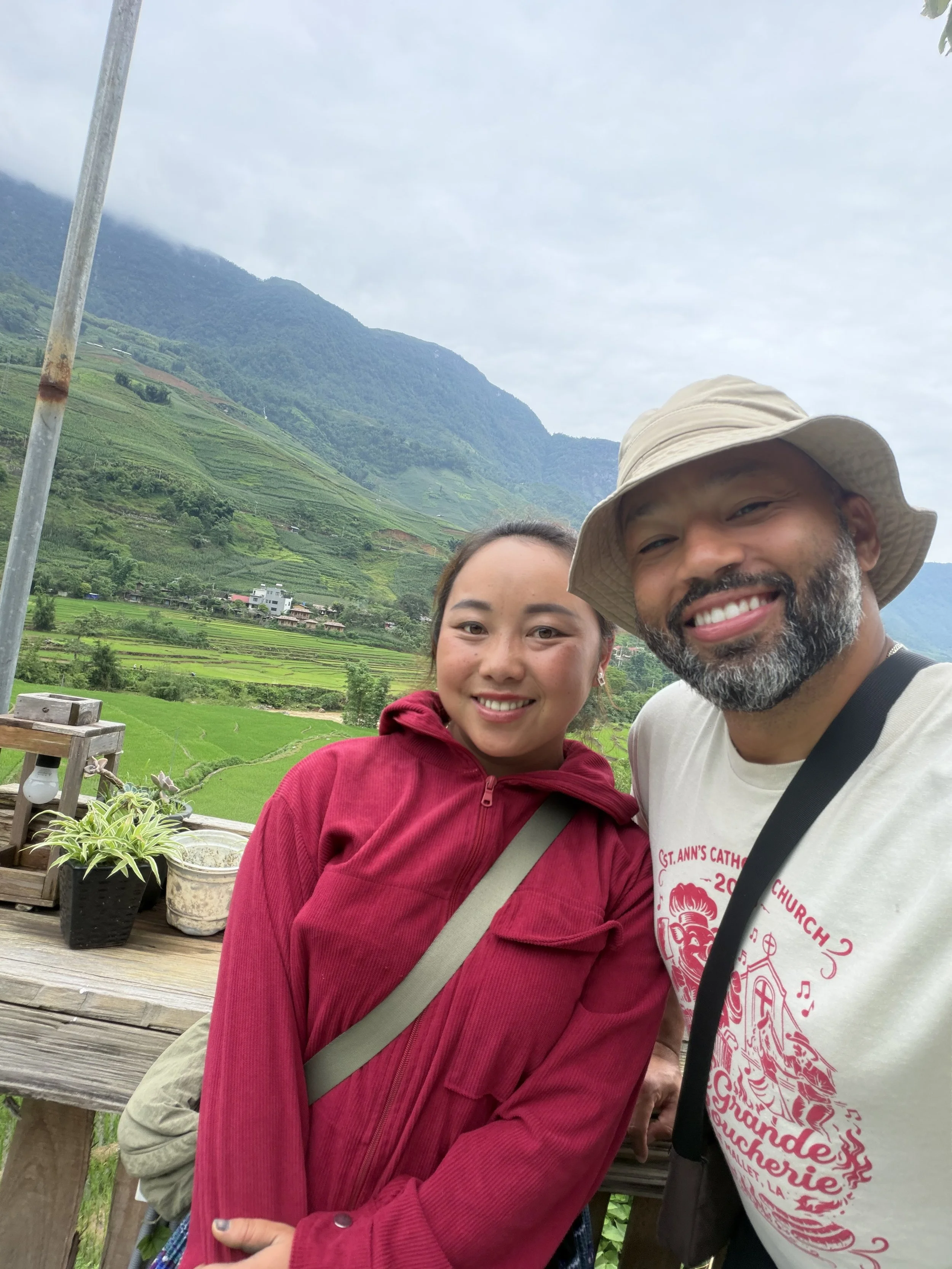
Chinh from the Sapa Sisters took me trekking 7 miles within Sa Pa
The terraced rice fields of the far north, home to Hmong and Dao hill-tribe villages and Fansipan, Indochina's highest peak. Trekking here is one of Vietnam's signature experiences — and surprisingly affordable.
What things cost:
Food: Local meals and hot pot $3–$6; warming bowls of pho for $2. Tourist-facing cafés run a touch higher than the lowlands but still cheap.
Transport: A sleeper bus or the historic night train from Hanoi runs roughly $15–$37. In town, most things are walkable; the Fansipan cable car ticket is about $41.
Tours: A half-day village trek (Cat Cat, Muong Hoa Valley) is just $19–$29; a full-day guided motorbike or trekking tour runs $50–$60; multi-day Hanoi–Sa Pa packages start around $128.
Where to stay (3–4 star):
Eden Boutique Hotel & Spa — top-rated staff, fresh breakfast. ~$40/night
Sapa Relax Hotel & Spa — great views, central, friendly. ~$35/night
DeLaSol Sapa Hotel — Fansipan views from rooms. ~$38/night
Amazing Hotel Sapa — valley vistas, spa. ~$45/night
Mường Hoa View Hotel — best budget value, clean and roomy. ~$28/night
5. Ninh Binh
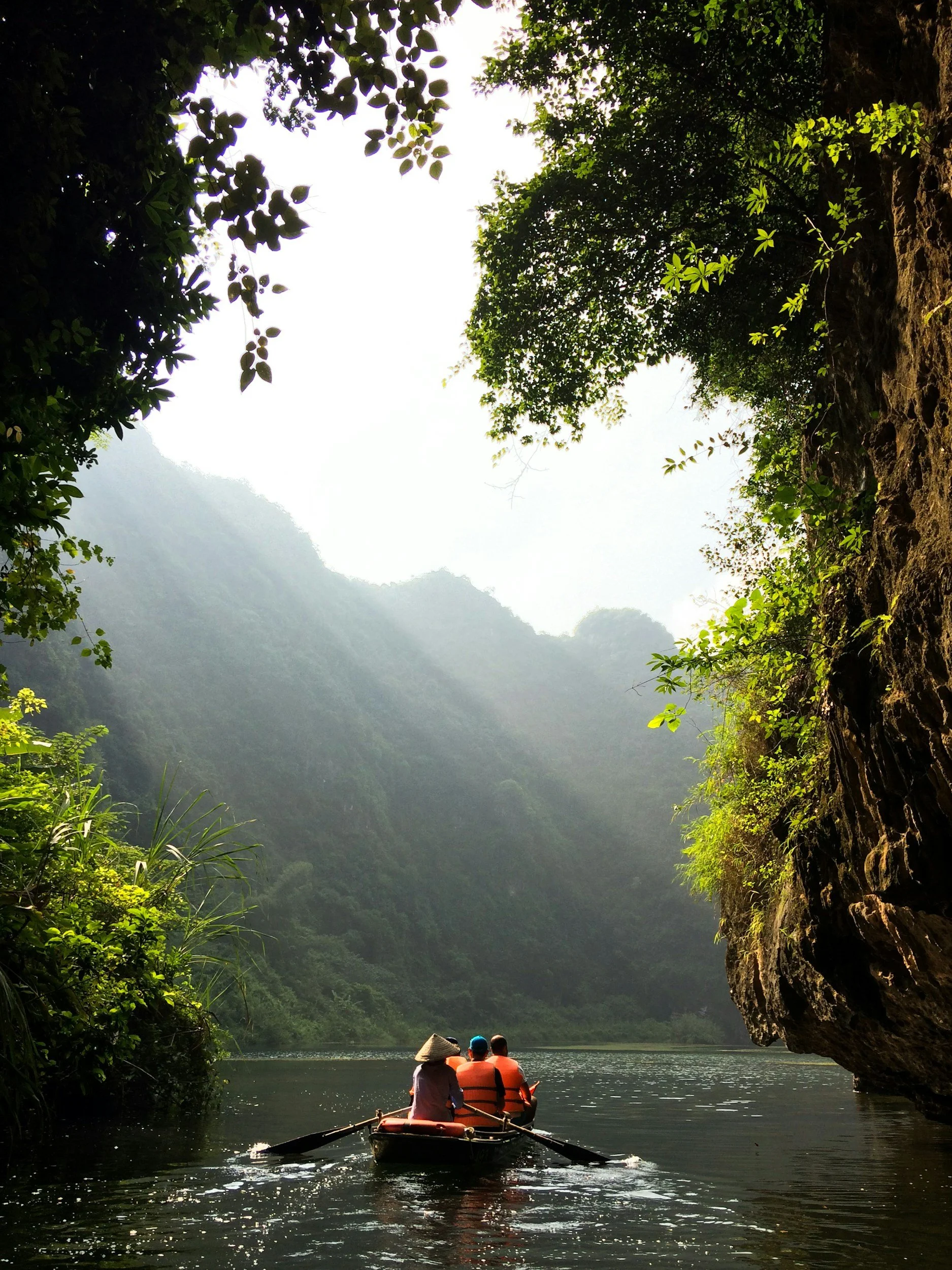
Ninh Binh, Vietnam
"Ha Long Bay on land" — towering karst peaks rising out of rice paddies and rivers. Tam Coc and Trang An are the highlights, and it's one of the cheapest, most scenic stops in the whole country.
What things cost:
Food: Local goat meat (de) and crispy rice (com chay) are the specialties; meals run $3–$6. Hotel breakfasts are usually included.
Transport: Sleeper buses and trains from Hanoi are $5–$10. Rent a scooter or e-bike for $5–$10/day to reach the sights independently.
Tours: The classic Trang An sampan boat ride is just 250,000 VND (~$10) for 2.5–3 hours. A full-day Hoa Lu–Trang An–Mua Cave tour from Hanoi runs about $52, including transport and tickets.
Where to stay (Tam Coc area, 3–4 star):
Tam Coc Holiday Hotel & Spa — immaculate rooms, central Tam Coc. ~$35/night
Elizabeth Hotel Tam Coc — top-floor views, lovely owners. ~$30/night
Lotus Hotel Ninh Binh — peaceful, rice-paddy views, free bikes. ~$32/night
Liberty Hall Tam Coc Hotel & Villa — rooftop bar over the fields. ~$40/night
Ninh Binh Hidden Charm Hotel & Resort — pool and spa, full resort amenities. ~$45/night
6. Hue
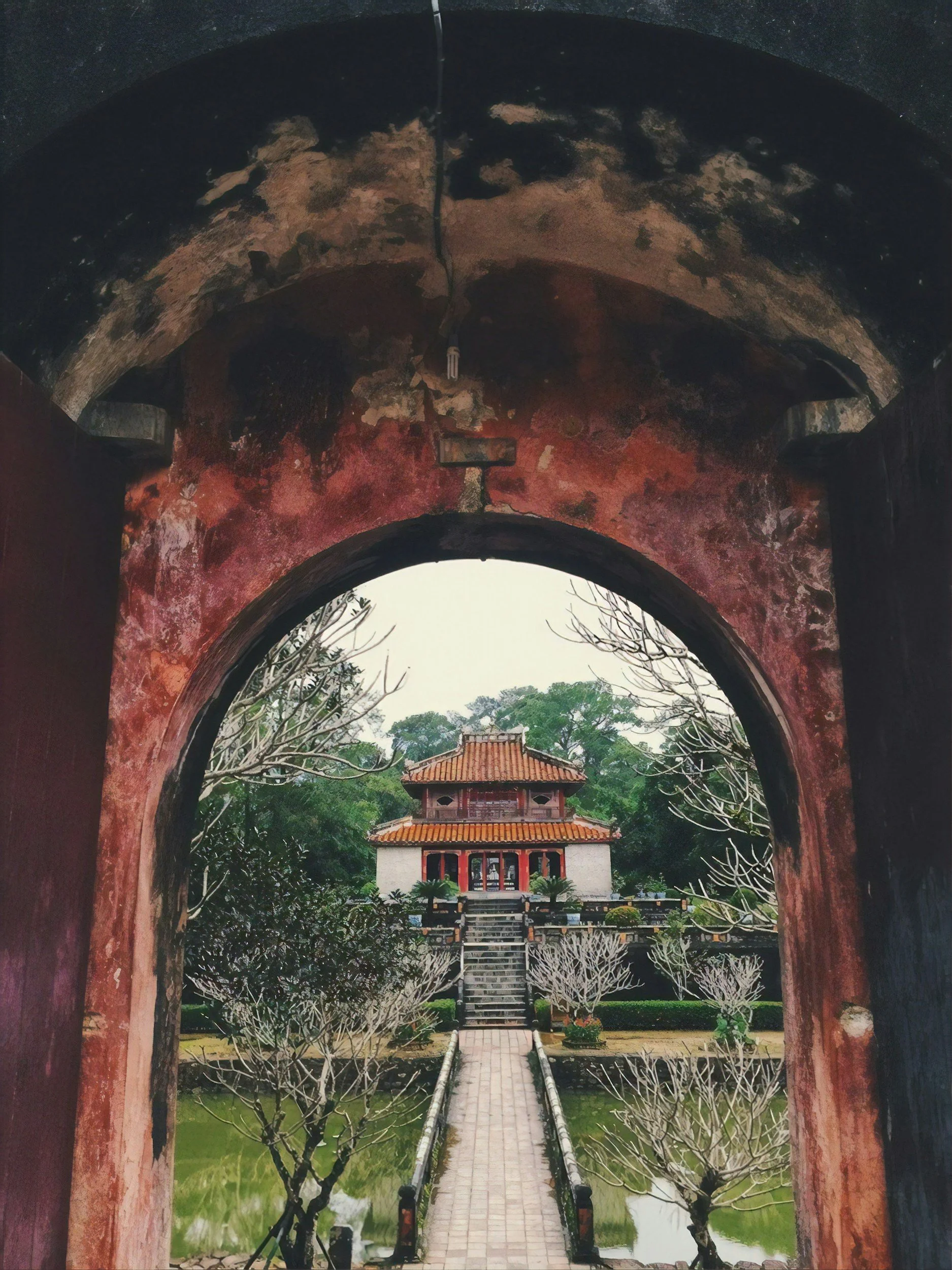
Hue, Vietnam
The former imperial capital, packed with the tombs, pagodas, and the walled Citadel of the Nguyen dynasty. Refined, historic, and one of central Vietnam's best-value cities.
What things cost:
Food: Hue's imperial cuisine is a highlight — bun bo Hue, banh khoai, and com hen for $1.50–$4. Street stalls along the river are cheapest.
Transport: The Citadel and most sights cluster near the Perfume River; Grab and cyclos are cheap ($1–$3). Scooter rental ~$5/day.
Tours: Imperial City entry is around $8; a DMZ day tour or a riverboat trip to the royal tombs runs $15–$35. Mid-range daily budgets land around $40–$60.
Where to stay (3–4 star):
Thanh Lich Hotel — elegant, huge breakfast, near the river. ~$40/night
Romance Hotel — central, includes daily laundry and a spa visit on longer stays. ~$38/night
White Lotus Hue Hotel — rooftop pool and sky bar. ~$42/night
The Scarlett Boutique Hotel Hue — walkable, warm service. ~$35/night
Hue Serene Palace Hotel — tucked in a quiet alley, great value. ~$28/night
7. Hoi An
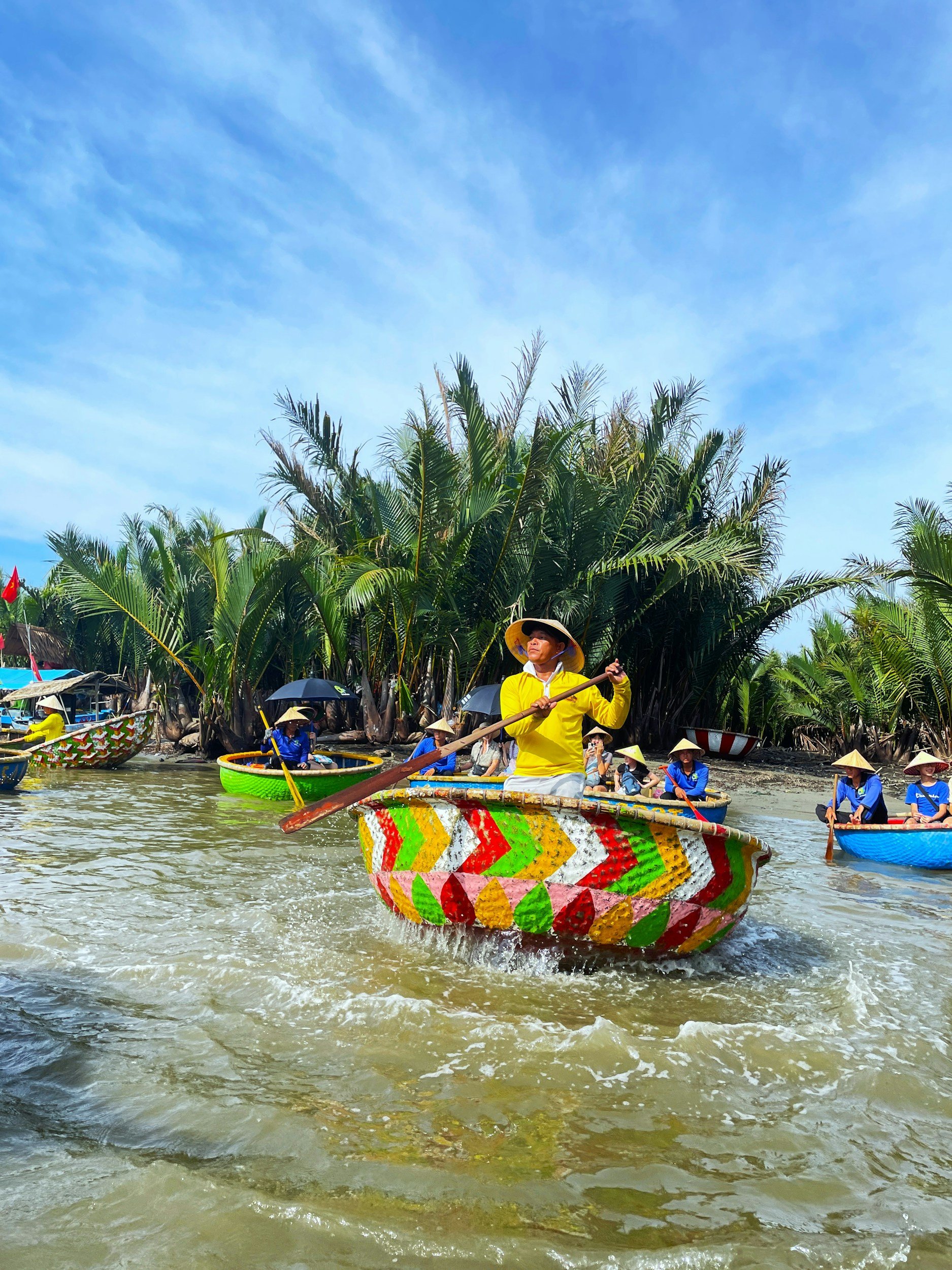
Hoi An, Vietnam
The lantern-lit Ancient Town is one of Vietnam's most beautiful (and photogenic) places. While the old town can feel touristy, it stays excellent value — and the surrounding rice paddies hide some of the best-value boutique hotels in the country.
What things cost:
Food: Hoi An specialties — cao lau, white rose dumplings, banh mi (Phi and Madam Khanh are legendary) — run $1.50–$5. The central market is cheapest.
Transport: Most hotels offer free bicycles; the old town is walkable. Grab is limited, so book hotel shuttles or taxis ($2–$5 to the beach).
Tours: A basket-boat ride through the coconut groves is $8–$15; a My Son Sanctuary half-day tour runs $15–$30; the nightly lantern boat ride on the river is about $1–$2 per person.
Where to stay (3–4 star):
Shining Riverside Hoi An Boutique & Spa — rice-paddy views, walk to old town. ~$45/night
Lasenta Boutique Hotel Hoi An — massive rooms, paddy-side pool. ~$50/night
Lantern Boutique Hoi An — gorgeous lantern-strung grounds. ~$42/night
Hoian Sincerity Hotel & Spa — best-value pool and breakfast. ~$48/night
Vaia Hoi An Boutique Hotel — free bikes, 10 min from old town. ~$38/night
8. Da Nang
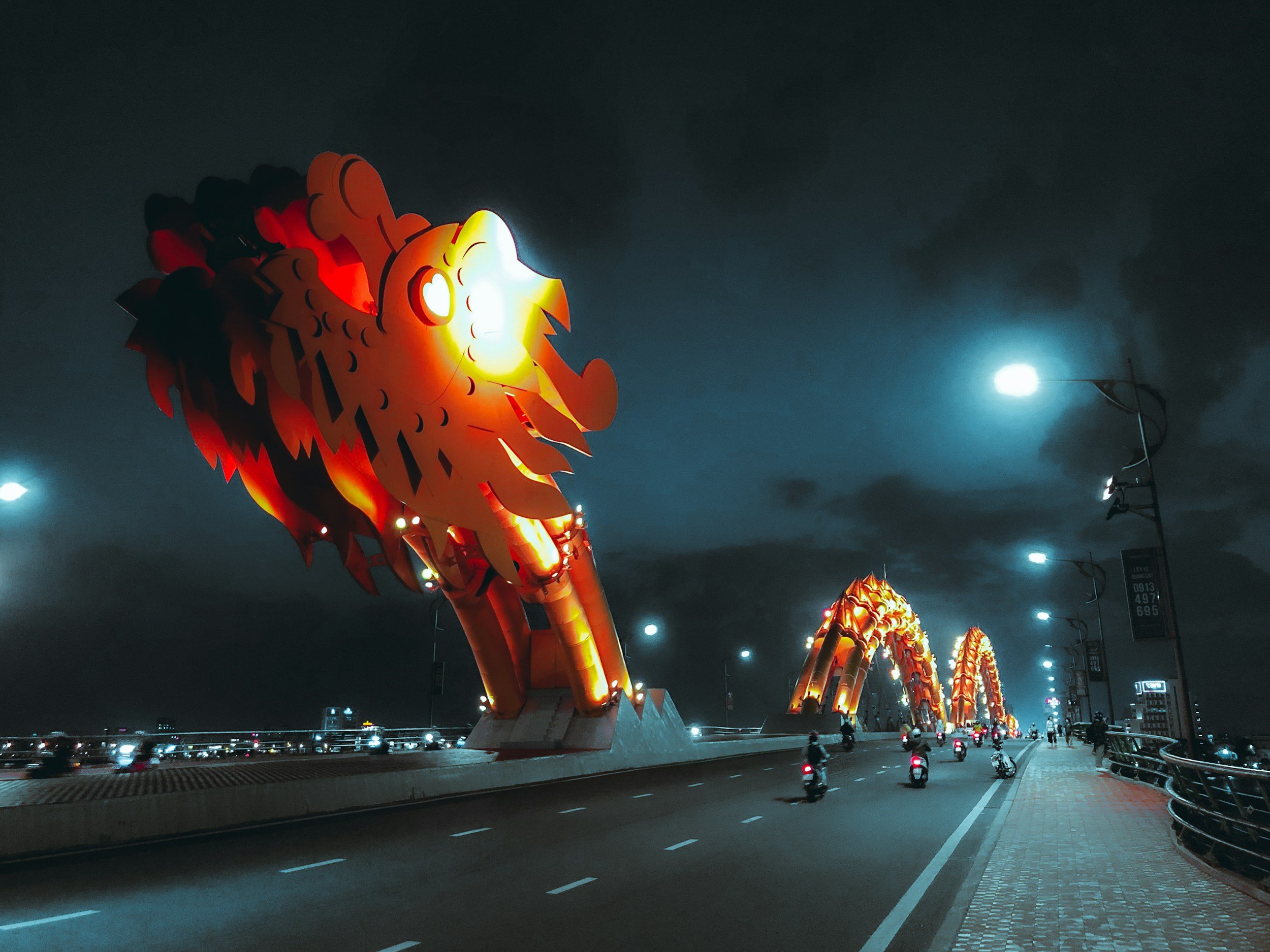
Da Nang, Vietnam
Vietnam's most livable beach city: miles of My Khe sand, the Dragon Bridge, and a base for both Hoi An and the Hai Van Pass. Bigger and slightly pricier than the small towns, but still huge value for a beach destination.
What things cost:
Food: Mi Quang and bun cha ca are the local must-eats, $1.50–$3 at street stalls. A street-food-by-day, restaurant-by-night approach keeps food to around $8–$16/day.
Transport: Grab is cheap and plentiful ($1–$4 around the city). Scooter rental $5–$8/day.
Tours: Ba Na Hills (Golden Bridge) day tours run $30–$50; a Hai Van Pass / Marble Mountains tour is $20–$40. Budget travelers manage $25–$45/day; mid-range $70–$120.
Where to stay (3–4 star, beach area):
Sala Danang Beach Hotel — high-floor sea views, rooftop pool. ~$50/night
BlueSun Hotel — across from the beach, rooftop terrace. ~$45/night
Monarque Hotel — 4-star service, afternoon tea included. ~$55/night
Golden Lotus Hotel Da Nang — near the beach, big breakfast buffet. ~$48/night
Parosand Danang Hotel — My Khe beachfront, great value. ~$42/night
9. Nha Trang
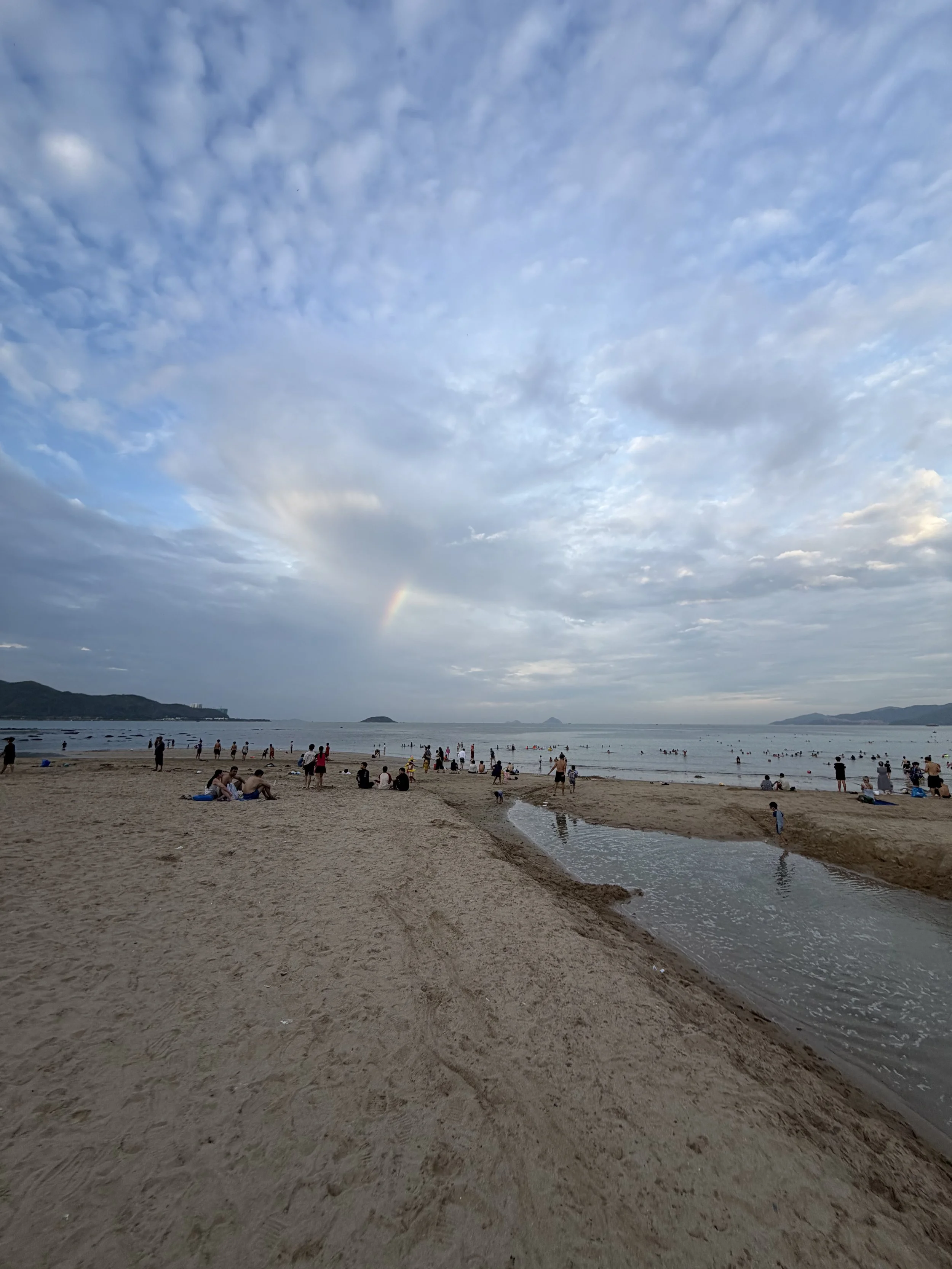
Nha Trang, Vietnam
Not my favorite but deserves a mention. A long crescent of city beach plus island-hopping, mud baths, and diving. The dining and nightlife scene caters to all budgets, and beachfront hotels here are cheaper than almost any comparable coast in Asia.
What things cost:
Food: Fresh seafood is the draw — bun ca (fish noodle soup) and nem nuong for $2–$4; a seafood dinner with local prices runs $8–$15.
Transport: The beach strip is walkable; Grab rides are $1–$3. Buses run cheaply to the cable car for VinWonders.
Tours: Island-hopping day tours run $30–$50 (party boats with floating bars as low as ~$20), including snorkeling gear, transfers, and a seafood lunch. Add-ons like jet skiing or parasailing are $15–$30 extra.
Where to stay (3–4 star):
Panama Nha Trang Hotel — new, stylish, rooftop pool, 5 min to beach. ~$45/night
Mercure Nha Trang Beach — ocean-view rooms, central. ~$55/night
Maris Hotel Nha Trang — near the beach, great value. ~$35/night
Emerald Bay Hotel & Spa — private beach access, spa. ~$42/night
Novotel Nha Trang — beachfront, reliable 4-star. ~$65/night
10. Can Tho
Can Tho, Vietnam
The capital of the Mekong Delta, and the gateway to the Cai Rang floating market. It's off the main tourist trail, which keeps prices low and the riverside atmosphere relaxed.
What things cost:
Food: Delta specialties like banh xeo, hu tieu, and fresh river fish go for $2–$5. The Ninh Kieu night market is the cheapest spot for dinner.
Transport: Buses from Ho Chi Minh City take 3–4 hours and cost around $7. The city center is compact and walkable; Grab is $1–$3.
Tours: A shared sunrise boat to the Cai Rang floating market is just $5–$15 per person; a private wooden boat for 4 runs ~500,000–600,000 VND ($20–$25) total. Full combined Mekong tours range $30–$80. Go before 6am for the real trading scene.
Where to stay (3–4 star):
TTC Hotel – Premium Can Tho — riverside by Ninh Kieu Wharf, perfect for early boats. ~$40/night
Muong Thanh Luxury Can Tho — spacious rooms, big breakfast, pool. ~$45/night
Tru by Hilton Can Tho Cai Khe — new, clean, central but quiet. ~$55/night
Victoria Can Tho Resort — colonial-style riverside resort with a pool. ~$90/night
Tulip Hotel — best budget value, family-run, English-speaking. ~$25/night
Quick budget cheat sheet
For most of these cities, a comfortable mid-range traveler — private 3–4 star hotel room, a mix of street food and sit-down restaurants, Grab rides, and a paid activity or two — spends roughly $50–$90 a day. Hardcore backpackers can do it on $20–$30. The biggest one-off costs are multi-day tours (Ha Long cruises, Sa Pa treks): budget those as separate line items rather than daily spend.
The cheapest overall? The small towns — Ninh Binh, Sa Pa, Can Tho, and Hue — deliver the most scenery and culture for the least money. The beach and big-city stops (Da Nang, Nha Trang, Saigon) cost a bit more, but still a fraction of comparable destinations elsewhere.
Hotel rates and tour prices are approximate 2026 figures and vary by season and availability — always check the live listing before booking.
Related Posts:






From CDMX to Bangkok to Rio — where Black gay men are actually dating, loving, and yes, hooking up abroad. The cities that pass the Double Check with a 10.