
These Countries Want More LGBTQ Tourists — And It Shows
There’s been a quiet but very real shift in global tourism. Some countries aren’t just tolerating LGBTQ travelers anymore — they’re actively welcoming us. Through legal protections, visible marketing, Pride investment, and year-round queer infrastructure, these destinations are making it clear that LGBTQ travelers are wanted, valued, and understood.
This isn’t about rainbow flags slapped onto a brochure once a year. It’s about places that back up inclusion with policy, safety, and community.
Here are six countries that are clearly positioning themselves as LGBTQ-friendly travel destinations, and why that matters.
Malta
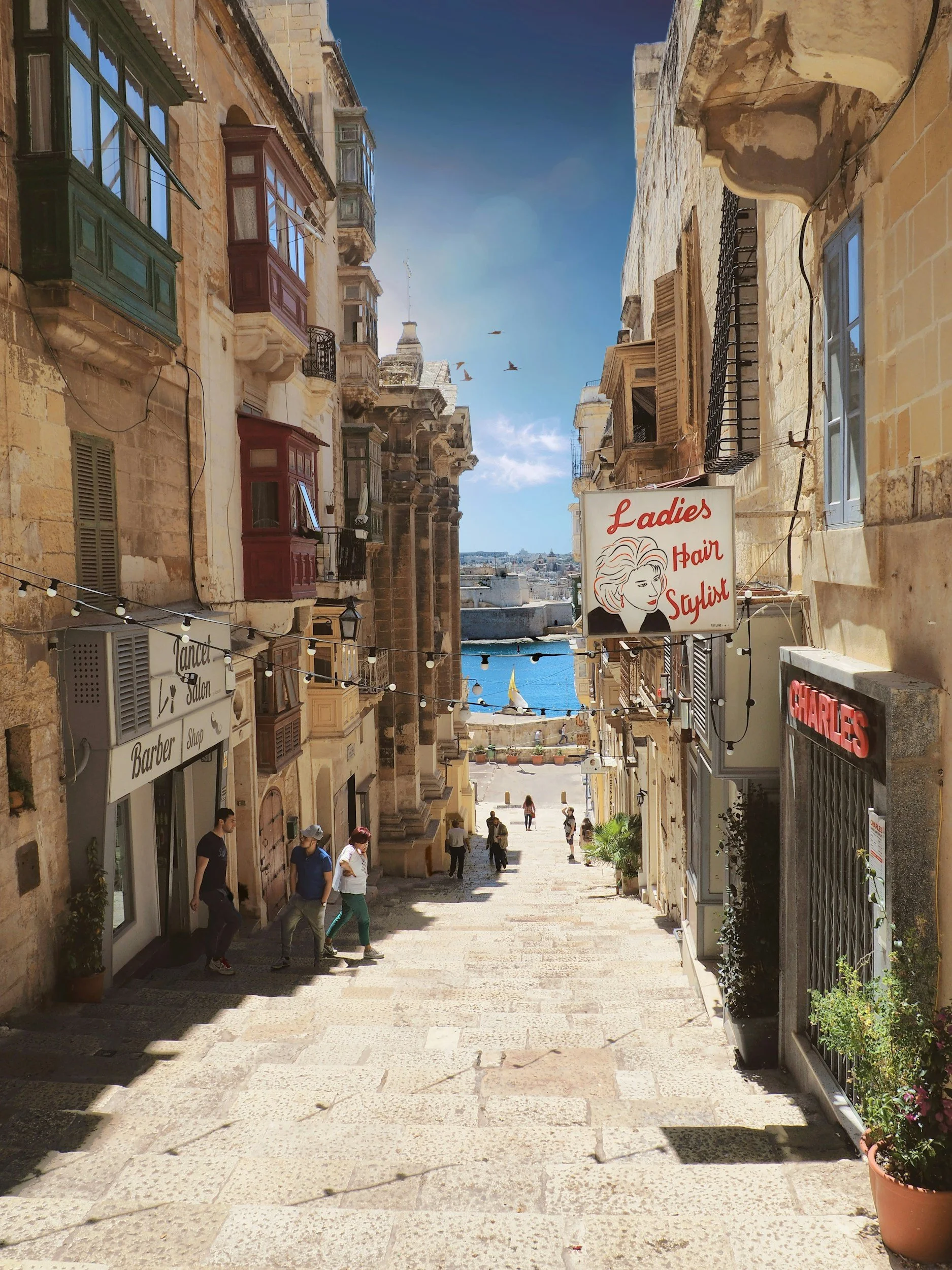
Malta
Malta consistently ranks as one of the most LGBTQ-progressive countries in the world. Marriage equality, adoption rights, and strong protections for trans people are already in place, and the government openly supports LGBTQ inclusion.
What makes Malta stand out is how normalized queerness feels. Pride isn’t a spectacle — it’s part of everyday life. LGBTQ travelers aren’t limited to a single neighborhood, and the island feels safe, walkable, and welcoming.
Why LGBTQ travelers are choosing Malta
Strong legal protections, visible government support, and a calm, inclusive atmosphere
Thailand
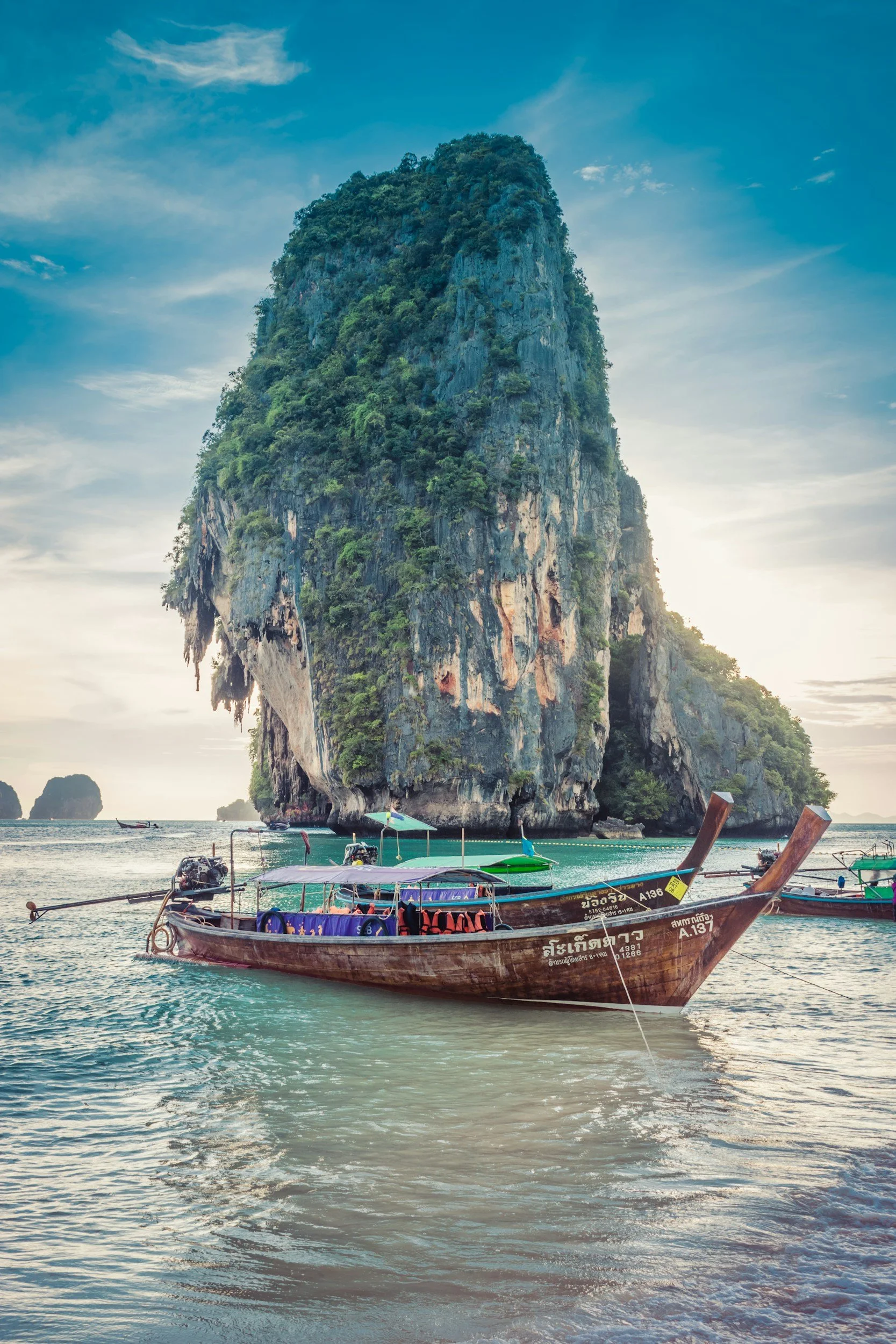
Thailand
Thailand has long been popular with LGBTQ travelers, but it’s now making that welcome official. With marriage equality advancing and tourism boards openly courting queer travelers, Thailand is leaning into what visitors already felt.
Bangkok, Phuket, and Chiang Mai offer strong nightlife scenes, but beyond that, queerness feels culturally integrated. LGBTQ travelers aren’t treated as outsiders — they’re part of the rhythm of daily life.
Why LGBTQ travelers are choosing Thailand
Affordability, warmth, strong nightlife, and increasing legal recognition
Mexico

Me and my bestie in Puerto Vallarta, Mexico on an excursion
Mexico has become one of the most important LGBTQ travel destinations in the world. Marriage equality is legal nationwide, and queer communities are visible, organized, and thriving.
Cities like Puerto Vallarta, Mexico City, and Tulum aren’t just party destinations — they’re places where LGBTQ people live, build community, and return year after year. Puerto Vallarta in particular has become a global hub thanks to events like Pride and Bear Week, plus year-round queer nightlife and social spaces.
Why LGBTQ travelers are choosing Mexico
Established LGBTQ hubs, strong community culture, and long-stay friendliness
Spain
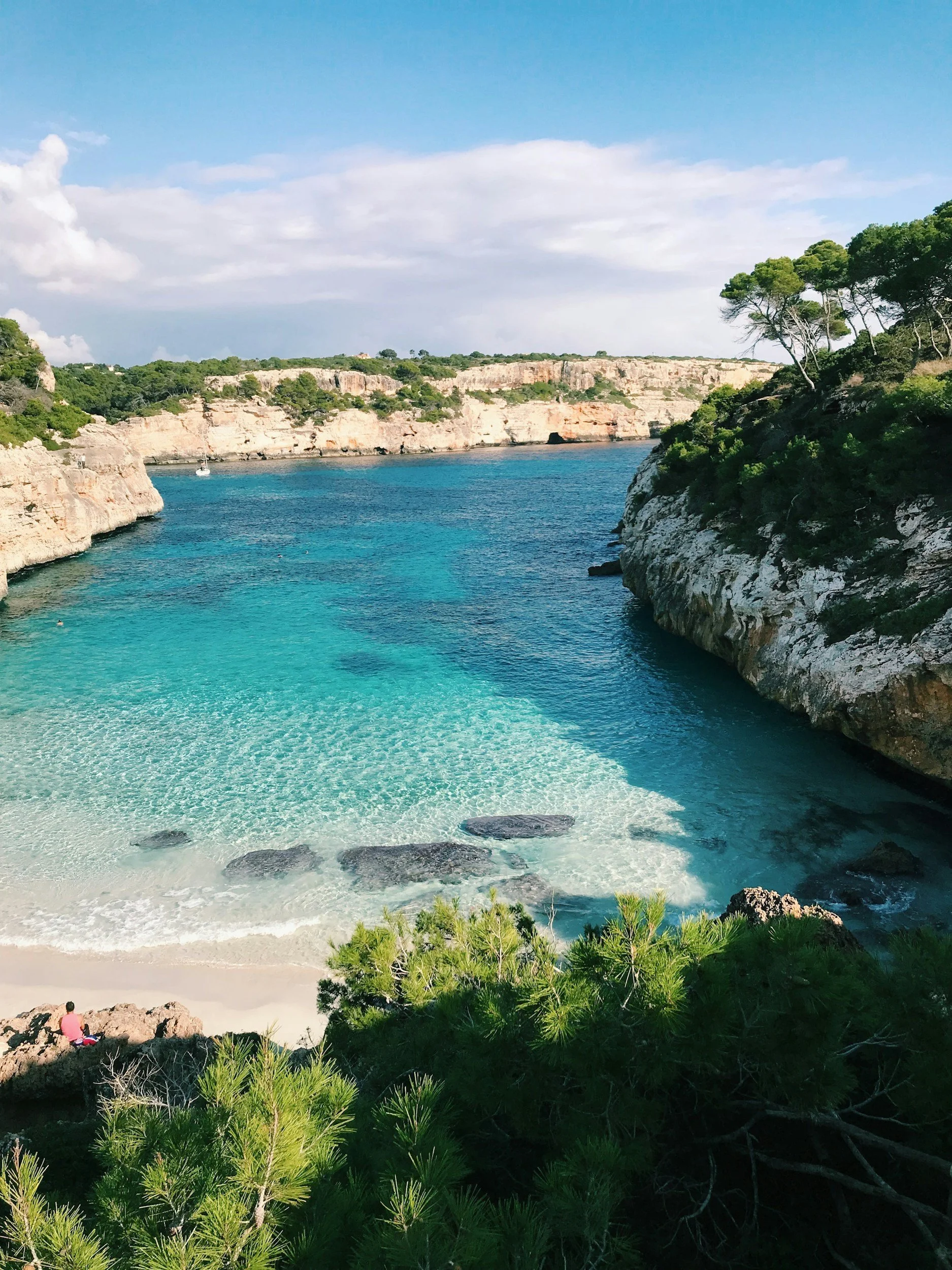
Mallorca was a favorite for me!
Spain has mastered the balance between culture, nightlife, and queer freedom. Madrid, Barcelona, and Sitges openly celebrate LGBTQ life, and Pride events here are among the largest in Europe.
What sets Spain apart is ease. Public affection is widely accepted, queer culture is visible, and tourism campaigns don’t shy away from inclusion. It feels relaxed, confident, and genuinely welcoming.
Why LGBTQ travelers are choosing Spain
Major Pride events, social openness, and strong legal protections
Colombia
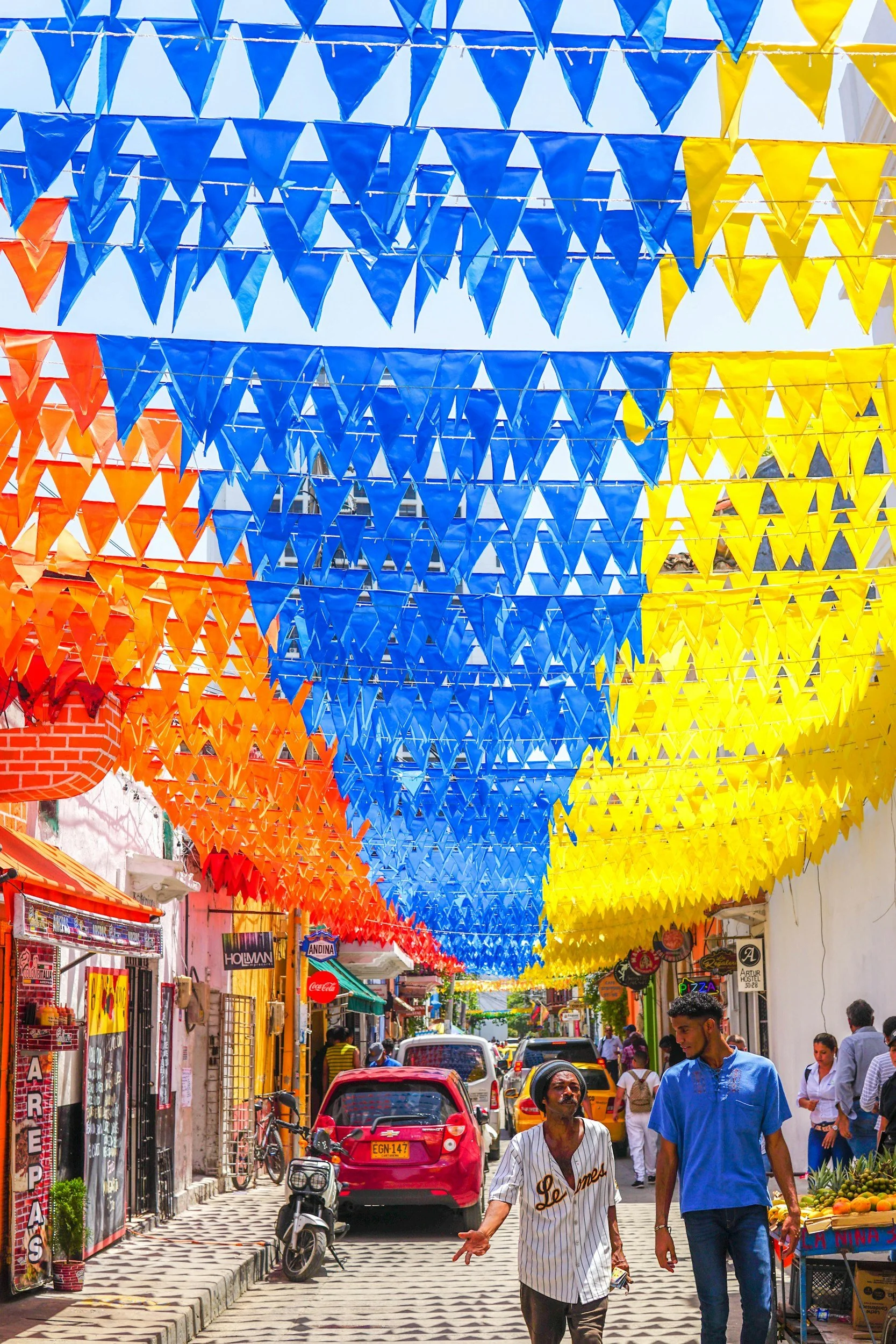
The streets of Colombia are soooo vibrant!
Colombia is quickly emerging as a favorite among LGBTQ travelers, especially in Medellín and Bogotá. Legal protections have improved significantly, and queer nightlife, art, and community spaces are expanding fast.
There’s a sense of momentum here. LGBTQ travelers aren’t just visiting — they’re helping shape what these cities are becoming, which makes the experience feel participatory rather than transactional.
Why LGBTQ travelers are choosing Colombia
Affordability, visible progress, and a growing queer cultural scene
South Africa
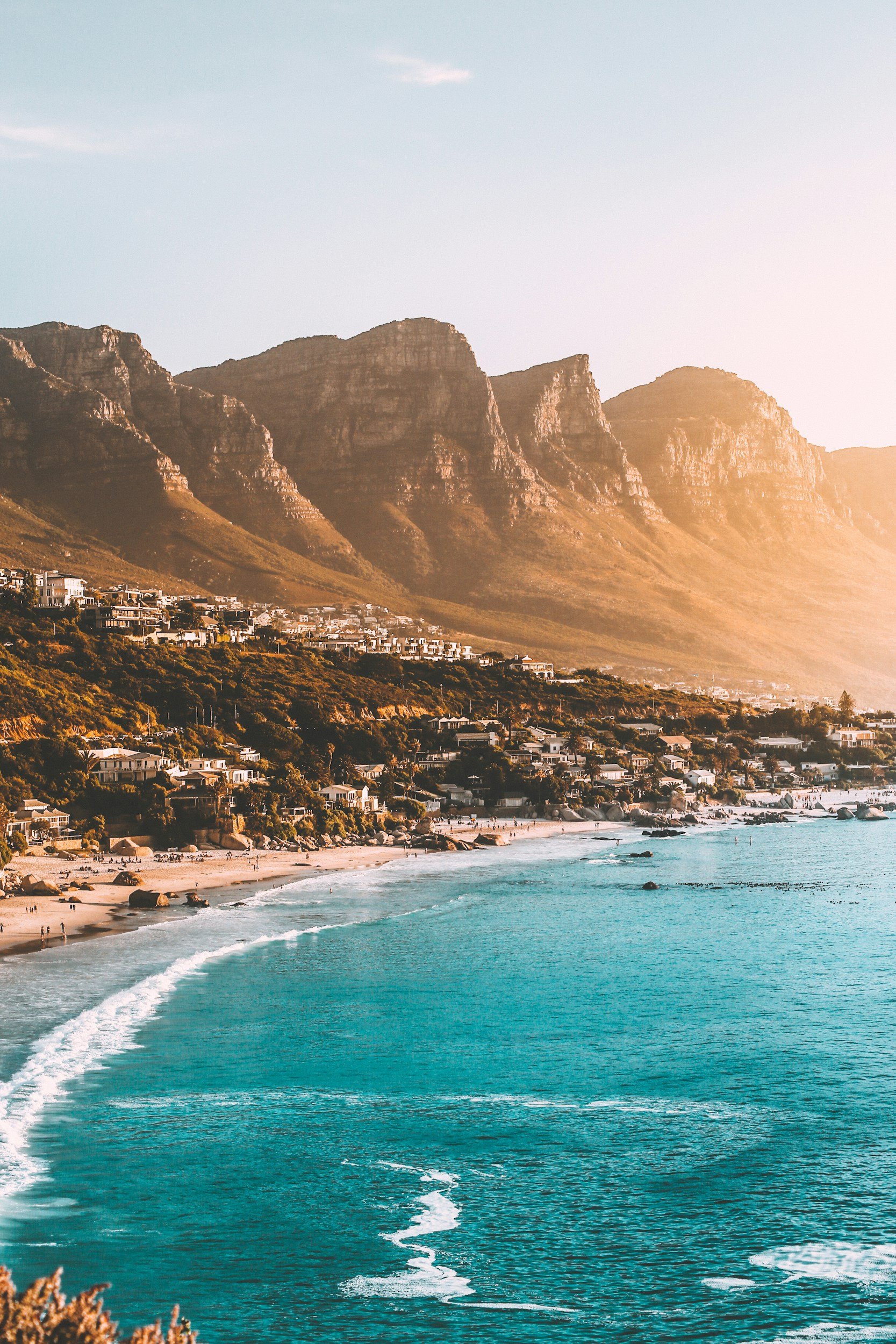
South Africa is such a dream!
South Africa is one of the most LGBTQ-friendly countries on the African continent, with constitutional protections for sexual orientation and gender identity. Cape Town is the heart of LGBTQ tourism, known for beaches, nightlife, wine country, and community.
What makes South Africa unique is range. You can experience city life, nature, and culture in a country that legally recognizes LGBTQ rights — something that’s still rare in the region.
Why LGBTQ travelers are choosing South Africa
Legal protections, diverse experiences, and a strong queer presence in Cape Town
Why this matters
LGBTQ travelers are not a niche market anymore. We are planners, repeat visitors, long-term stayers, and big spenders. Countries that recognize this aren’t just being progressive — they’re being strategic.
When a destination makes it clear that LGBTQ travelers are welcome, it changes how we travel. We stay longer. We return. We recommend it to our community. And increasingly, we choose places that choose us back.
Frequently Asked Questions About LGBTQ-Friendly Travel
How do countries attract LGBTQ tourists?
By combining legal protections with visible inclusion. This includes marriage equality, anti-discrimination laws, Pride investment, queer-friendly accommodations, and tourism campaigns that don’t hide LGBTQ travelers in the fine print.
Are LGBTQ-friendly laws the most important factor when choosing a destination?
They’re critical for safety, but not the only factor. Community visibility, social attitudes, affordability, and whether queer people live openly all matter just as much.
Are these countries safe for LGBTQ travelers year-round?
Generally yes, especially in major cities and known LGBTQ hubs. As always, safety can vary by region and context, but these destinations have established reputations for welcoming LGBTQ visitors.
Is LGBTQ tourism just about nightlife and Pride?
Not anymore. Many LGBTQ travelers are choosing destinations for culture, wellness, food, long stays, and quality of life — not just parties.
Why are more countries focusing on LGBTQ tourism now?
LGBTQ travelers are loyal, influential, and economically powerful. Destinations that understand this see inclusion as both ethical and smart business.
Are these destinations welcoming to Black LGBTQ travelers?
Many are, especially in cities with diverse populations and visible expat communities. Experiences can still vary, which is why firsthand stories and community knowledge remain important.
What should LGBTQ travelers research before booking?
Local laws, neighborhood safety, LGBTQ-owned businesses, recent traveler experiences, and whether inclusion is backed by policy — not just marketing.
Will more countries follow this trend?
Yes. As LGBTQ tourism continues to grow, more destinations are moving from passive acceptance to active invitation.
Check out these related articles:


Galle Face, Kollupitiya or Colombo 7? The best hotels in Colombo, Sri Lanka, from the Taj Samudra (where I’m staying) to rooftop pools on a budget.