
Whale Season in Puerto Vallarta: When to Go, What You’ll See & Yes… Even Orcas
Whale Season in Vallarta: What Makes It Magical
Every winter, the waters of Banderas Bay — and by extension, Puerto Vallarta — transform into an aquatic spectacle as majestic whales return for their annual migration. The official whale-watching season in Vallarta runs from December 8 to March 23.
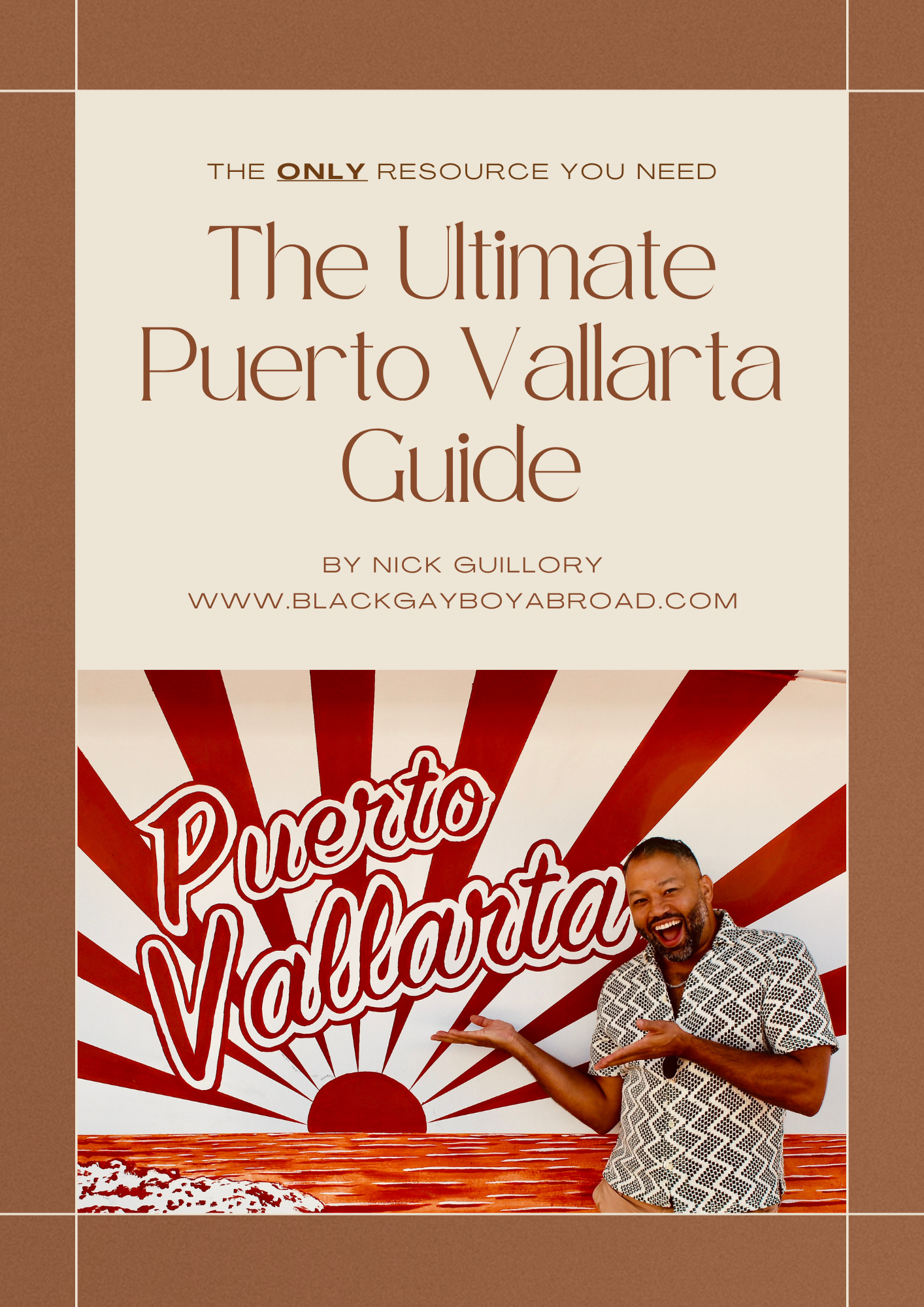
Want to know more about Vallarta from someone that actually lives here? Get my guide! It’ll save you a lot of time and money, and better yet, it’ll prepare you for your safe trip to Vallarta. Get the guide here.
But lovers of marine life know that the magic often arrives a bit early — whales sometimes show up in late November, and on lucky years, sightings stretch into April or even May.
In fact, I was out there today (November 26th), and the girls and guys are HEREEEEE!
If you’re after the most action, January and February are your best bets — calm seas, perfect light for photos, and whales most active with behaviors like breaching, tail-slaps, and calf-mother surfacing.
Who’s Out There? Meet the gals…
The main residents of this seasonal show are Humpback Whales — thousands of them making the long journey from the cold northern Pacific to the warm, sheltered bay waters to mate, give birth, and raise calves.

They’re known for dramatic and beautiful behaviors — powerful tail-slaps, dives that show off their flukes, and full-body breaches that send sprays of water into the air. For many, hearing their haunting songs through hydrophones is just as unforgettable as seeing them.
But the humpbacks aren’t always alone. On rare occasions, you might spot Orcas — though these sightings are uncommon and always a lucky surprise. They have been spotted recently (2025) in Sayulita, as per the below Facebook post:
But, they are NOT okay with the humpback babies. So this isn’t good. Hopefully everyone plays nice, but here’s what could happen:
Hopefully everyone plays nice. Other species such as grays, Bryde’s whales or minkes may occasionally pass through, too.
Why Puerto Vallarta + Banderas Bay Are So Perfect
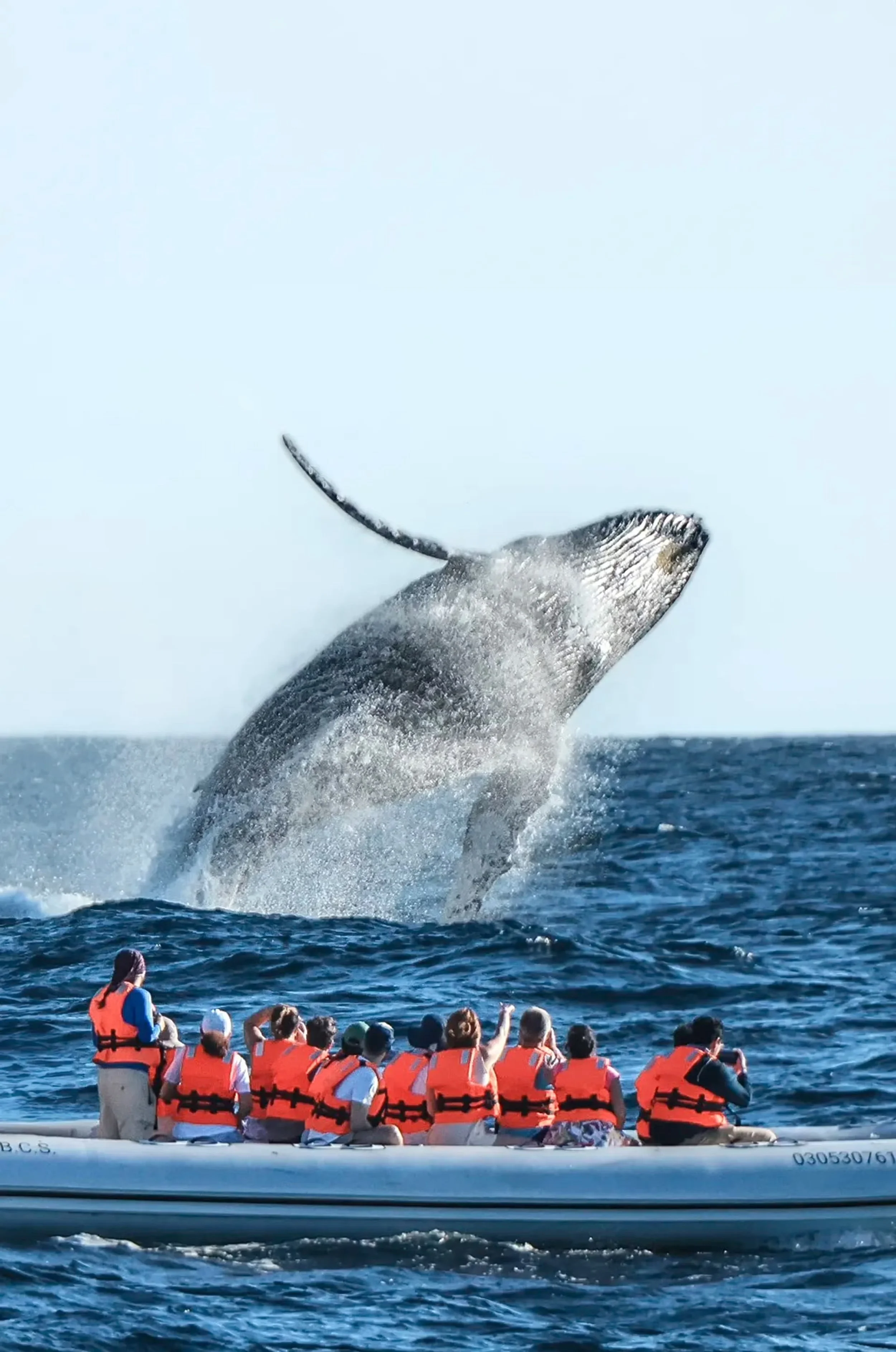
Humpback whale
Warm, safe waters — The sheltered geography and mild winter seas make Banderas Bay an ideal nursery for whales to mate, give birth, and teach calves how to survive.
Accessible tours — Because the bay is wide but protected, boat tours are typically smooth and easy for almost anyone to enjoy — from families with kids to seniors.
Sustainability-minded practices — Many of the operators follow guidelines to respect marine life, keep safe distances, and even offer tools like hydrophones to let you hear whales rather than disturb them.
Unforgettable moments — There’s nothing like seeing a 40-ton mammal breach from the water, or watching a mother guide her calf — it’s a reminder of how wild and interconnected this world is.
Tips If You’re Planning to Go Whale Watching in Vallarta
Book early — Especially if you’re visiting during peak months (Jan–Feb), tours fill up fast.
Go early in the morning — Calm seas, clear light, and whales often most active.
Bring along the essentials — Binoculars, camera, sunscreen, hat, and maybe a light waterproof jacket if wind picks up.
Do it responsibly — Choose certified tours that respect whale-watching guidelines, keep safe distances, and prioritize marine conservation.
My Favorite Tours for Whale Watching
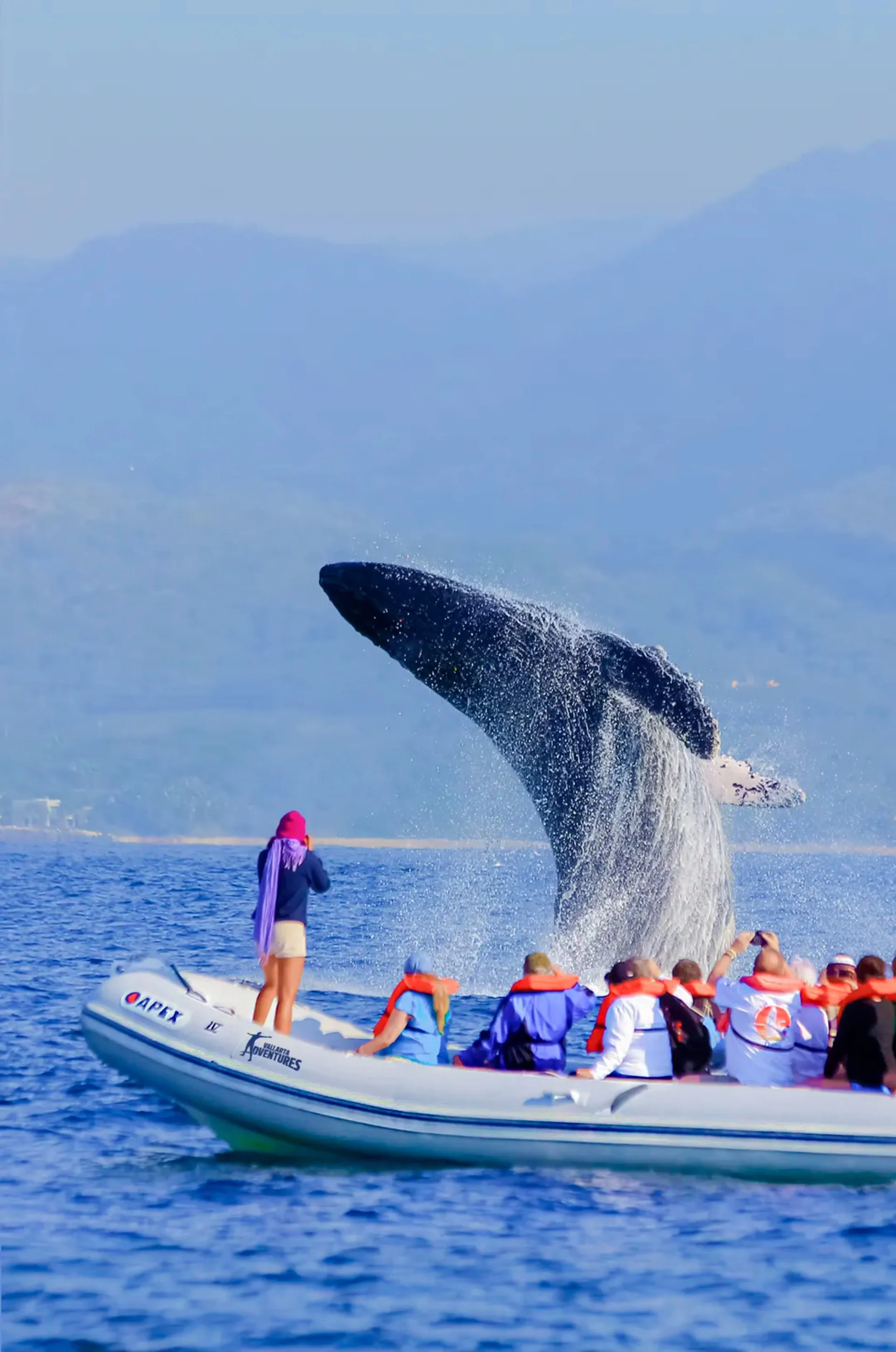
Humpback whale as seen in the bay.
Book through GetYourGuide here.
A Winter in Vallarta Like No Other
There’s something poetic about a coastline known for grill-bars, sunsets, and beach vibes turning — for just a few months — into one of nature’s greatest stages. Whale season in Puerto Vallarta isn’t just a “thing to do”; it’s a reminder of migration, renewal, and the wild rhythms that connect us to the ocean.
If you’ve never experienced it, this year’s season could be your chance. And if you’re lucky — and patient — maybe you’ll catch a glimpse of an orca too. 🐋🏝️
Book your trip today through the map below:
Check out these related articles:

Discover hidden hikes in Puerto Vallarta and Sayulita, including secluded beaches, sacred sites, jungle trails, and caves. Plus, learn about popular hikes like the Mirador and Las Ánimas.