
My Sa Pa Itinerary: 4 Dreamy Days of Rice Terraces, Trekking & Spa Vibes in Sapa, Vietnam
- Where I stayed: Lee's House, Ta Van village
- Fansipan tickets: Fansipan cable car tickets
- Rice terrace trek: Sapa trekking tours with local guides
- Getting there: Hanoi to Sa Pa buses and transfers
- Travel insurance (DON'T skip it): SafetyWing
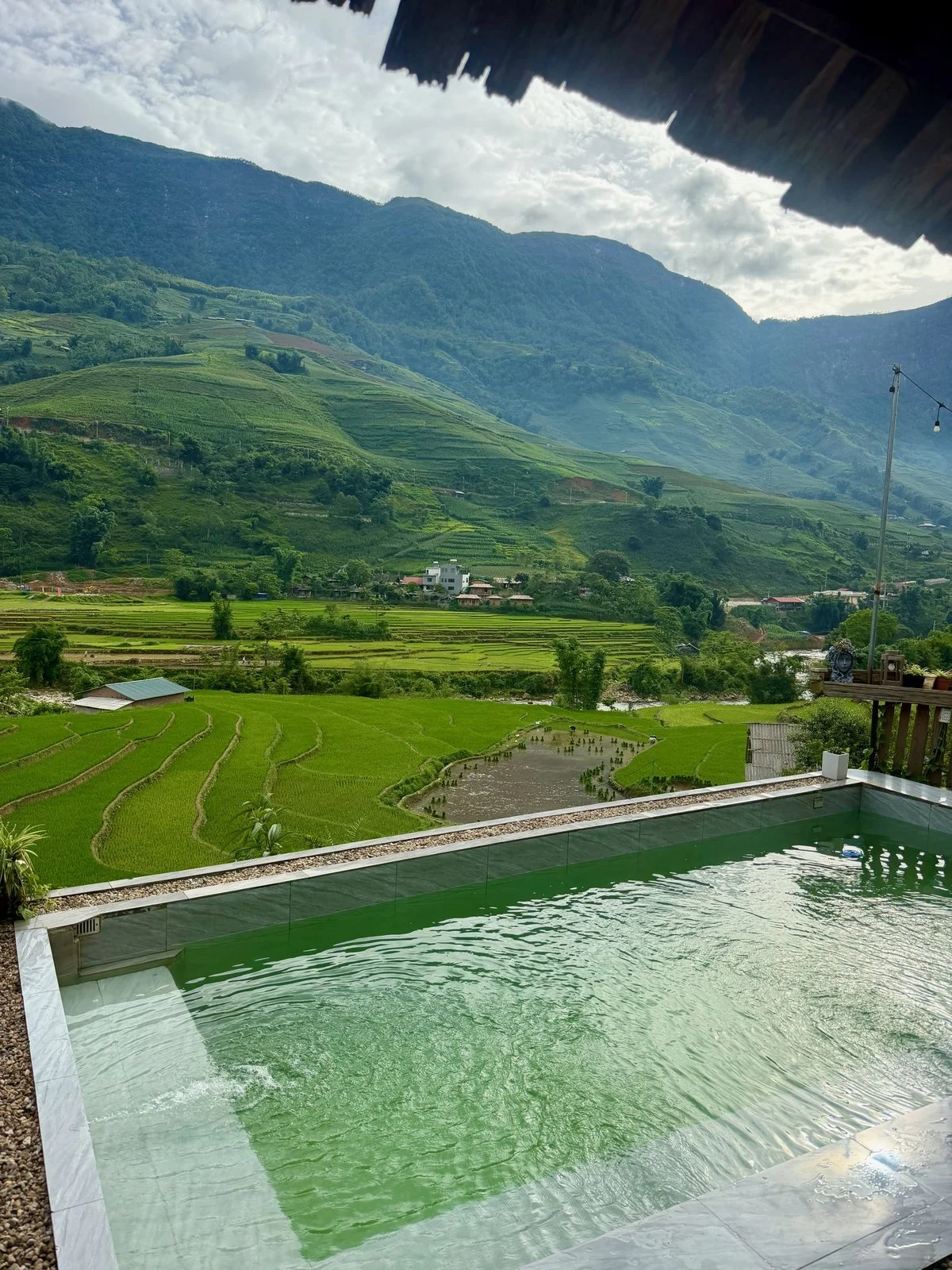
Okay so picture this. You wake up, walk outside, and there's an infinity pool sitting right on top of a valley full of rice terraces. Mountains everywhere. Clouds rolling through. That was my first morning in Sa Pa, child.
Real talk? I came to Sa Pa to get AWAY from the heat. Vietnam is HOT, y'all, and Sa Pa sits way up in the mountains where it's actually cool. And the vibe up here? It's country, but chic. A little grungy, mountain-town, kinda hipster-ish without trying to be hipster. I can't fully explain it. You just have to come feel it.
I came straight off the Ha Giang Loop, still sore from three days on the back of a motorbike, and spent four days up here. Some days were go-go-go (Fansipan, a full-day trek), and some days I did absolutely NOTHING but eat and stare at the rice terraces. And honey, both were needed.
Here's my exact Sa Pa itinerary, day by day, plus where I stayed, what things cost and what I'd do differently.
Sa Pa at a Glance
Where: The mountains of Lao Cai province in far northern Vietnam, close to the border with China
How long: I did 4 nights. 3 days is the minimum I'd recommend.
Getting there: Bus or limousine van from Hanoi (about 5.5–6 hours), or the overnight train to Lao Cai plus a 1-hour transfer
Where to stay: Out in the villages (I stayed in Ta Van), not in Sa Pa town
Must-dos: Fansipan by cable car, a trek through the rice terraces with a local guide, a Red Dao herbal bath
When I went: Early June. Green, gorgeous... and RAINY.
How I Got to Sa Pa
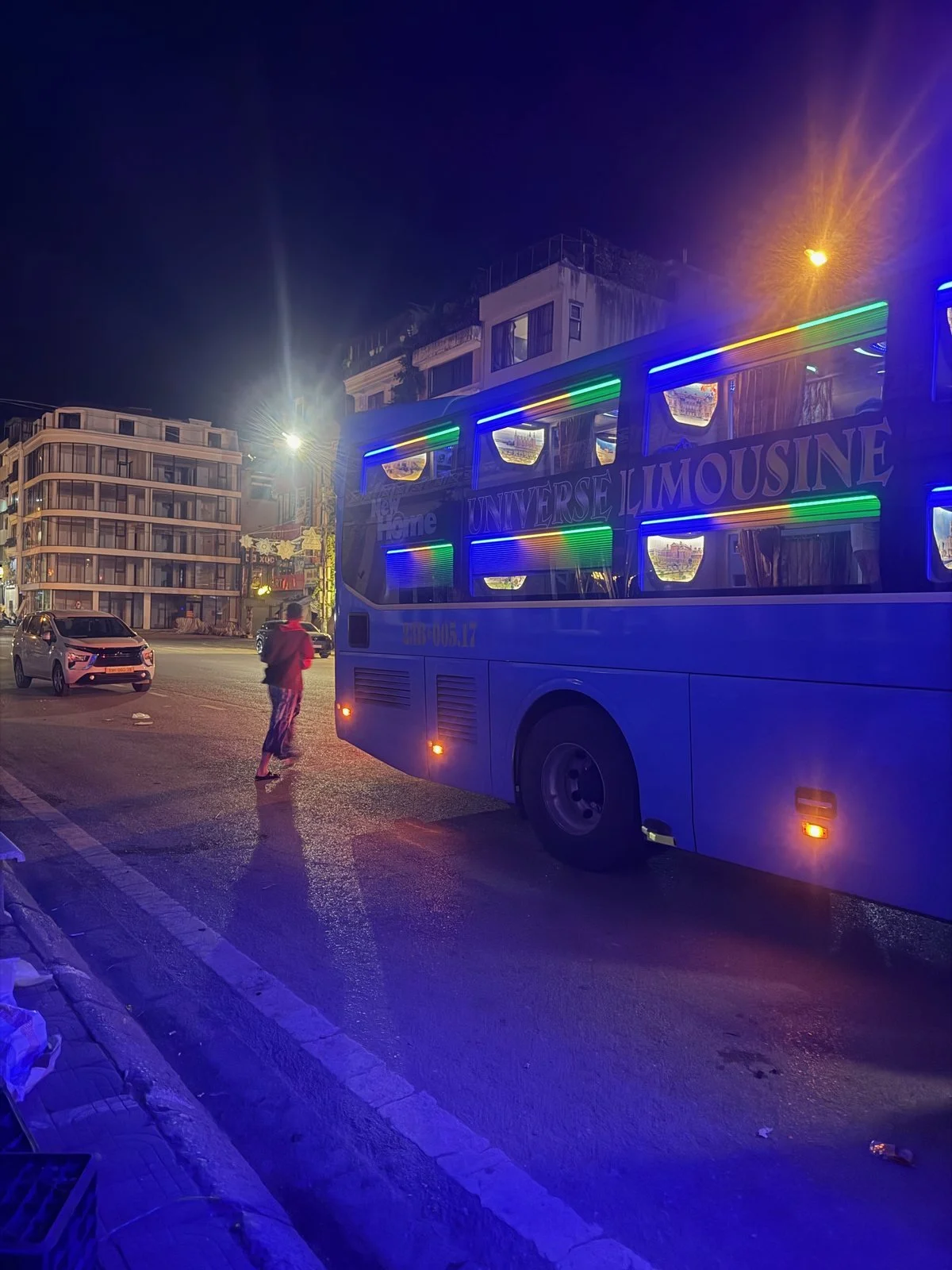
I went straight from Ha Giang to Sa Pa on a limousine bus, and we rolled into Sa Pa town late at night, around 11:30 PM. Yep, I went DIRECTLY from one to the other. After three days on a motorbike, my body was begging for a cool-off, spa-type situation. I also really wanted to spend time with local people and do a trek with the Sapa Sisters. Spoiler: that trek ended up being my favorite thing I did here.
Most people come up from Hanoi. Your options:
Limousine van: about 5.5–6 hours, roughly $13–18. Leaves throughout the day. This is the comfiest option.
Sleeper bus: about 6–7 hours, roughly $11–15. The overnight ones drop you off around 4:30–5 AM. Cheap, but you'll be TIRED.
Train: The overnight train goes from Hanoi to Lao Cai (not Sa Pa), then it's a 1-hour minivan up the mountain. More scenic, more expensive.
Before you book a bus anywhere in Vietnam, read my Vietnam sleeper bus reviews. Some are comfy, some are clean... and some are HORRENDOUS.
Where I Stayed: Lee's House & La Dao Spa in Ta Van
Here's my biggest tip for Sa Pa: don't stay in Sa Pa town. The town is busy and built up. The magic is out in the villages in the Muong Hoa Valley, where you wake up to rice terraces instead of traffic.
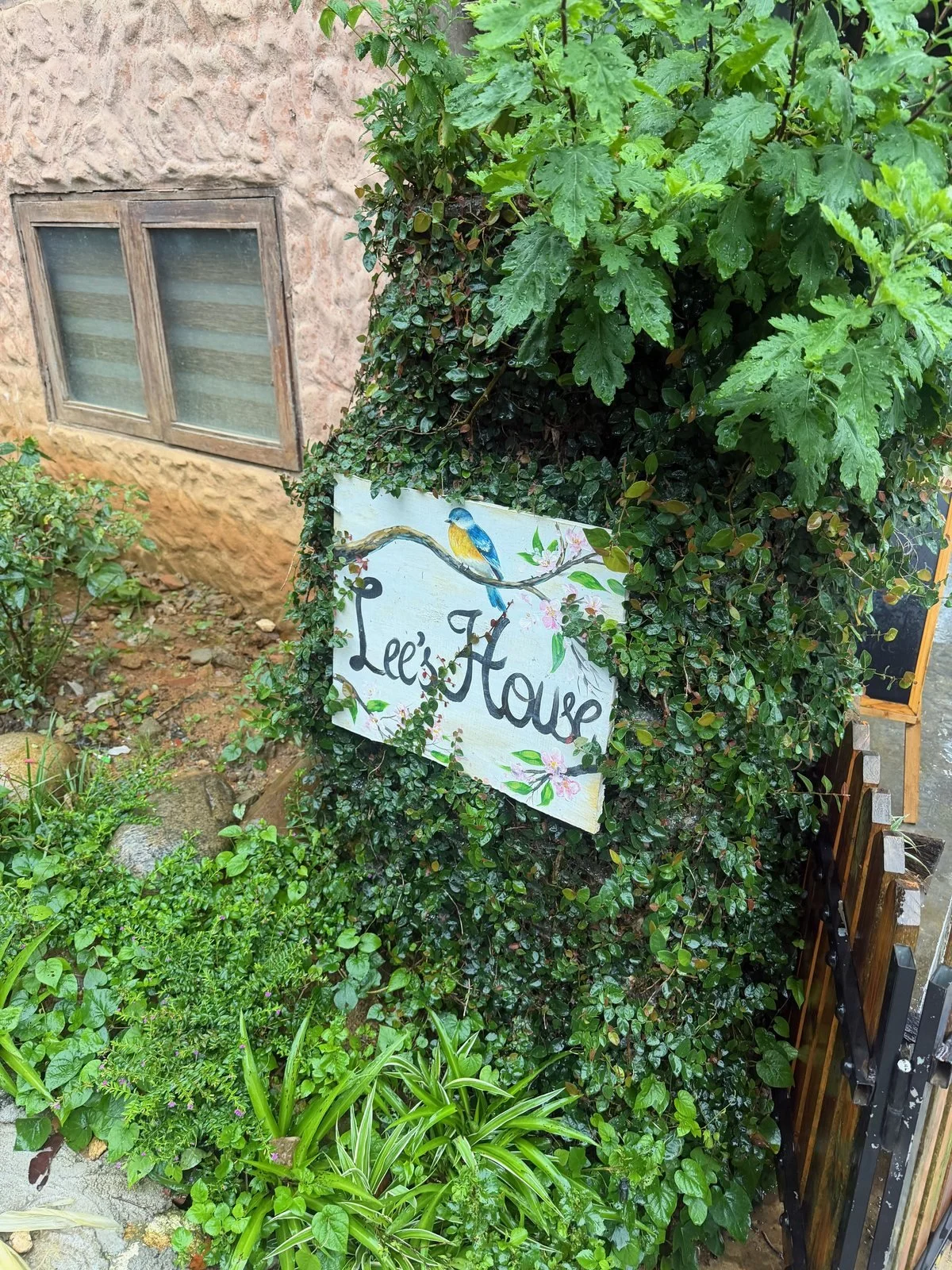
I stayed at Lee's House in Ta Van village, about 20 minutes from town. And that infinity pool over the rice terraces? That's the one. I absolutely LOVED it here. My host was the sweetest woman, and she made me breakfast every morning. It cost a little extra, but it was very reasonably priced. I very much recommend her place.
One heads up though: there are a LOT more bugs in Sa Pa. Like, in the room, on the walls, everywhere. Chiiiile. They give you a net to put over the bed, so USE it.
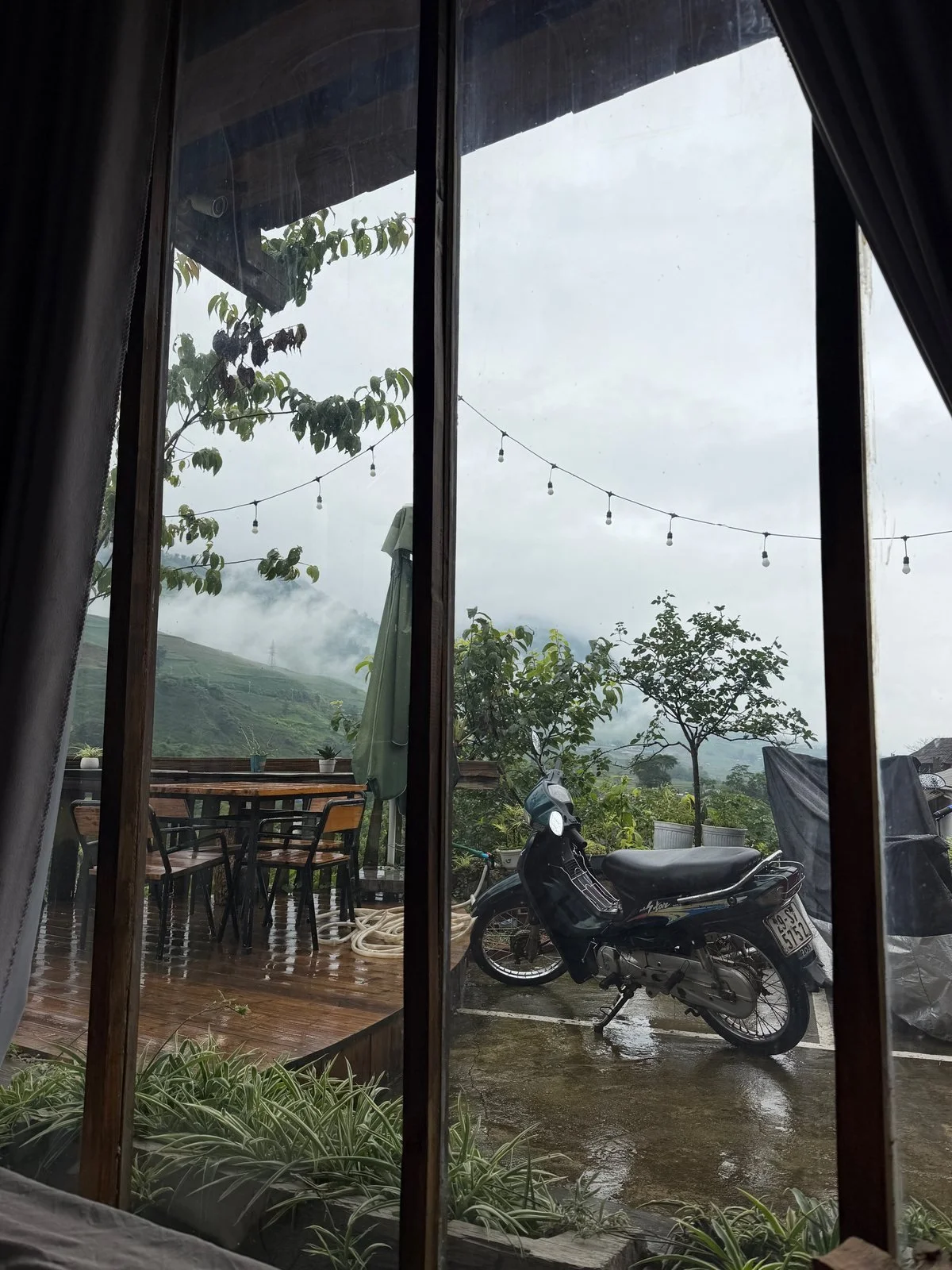
For my last two nights I moved to La Dao Spa Homestay, a little further into the village. And y'all... this is one of the BEST spas ever. They treated me like a KING.
My 4-Day Sa Pa Itinerary
Day 1: Fansipan, the Roof of Indochina
On the ride into town that first morning, I passed people out in the fields planting rice by hand. June is planting season, so the terraces were this bright, electric green.
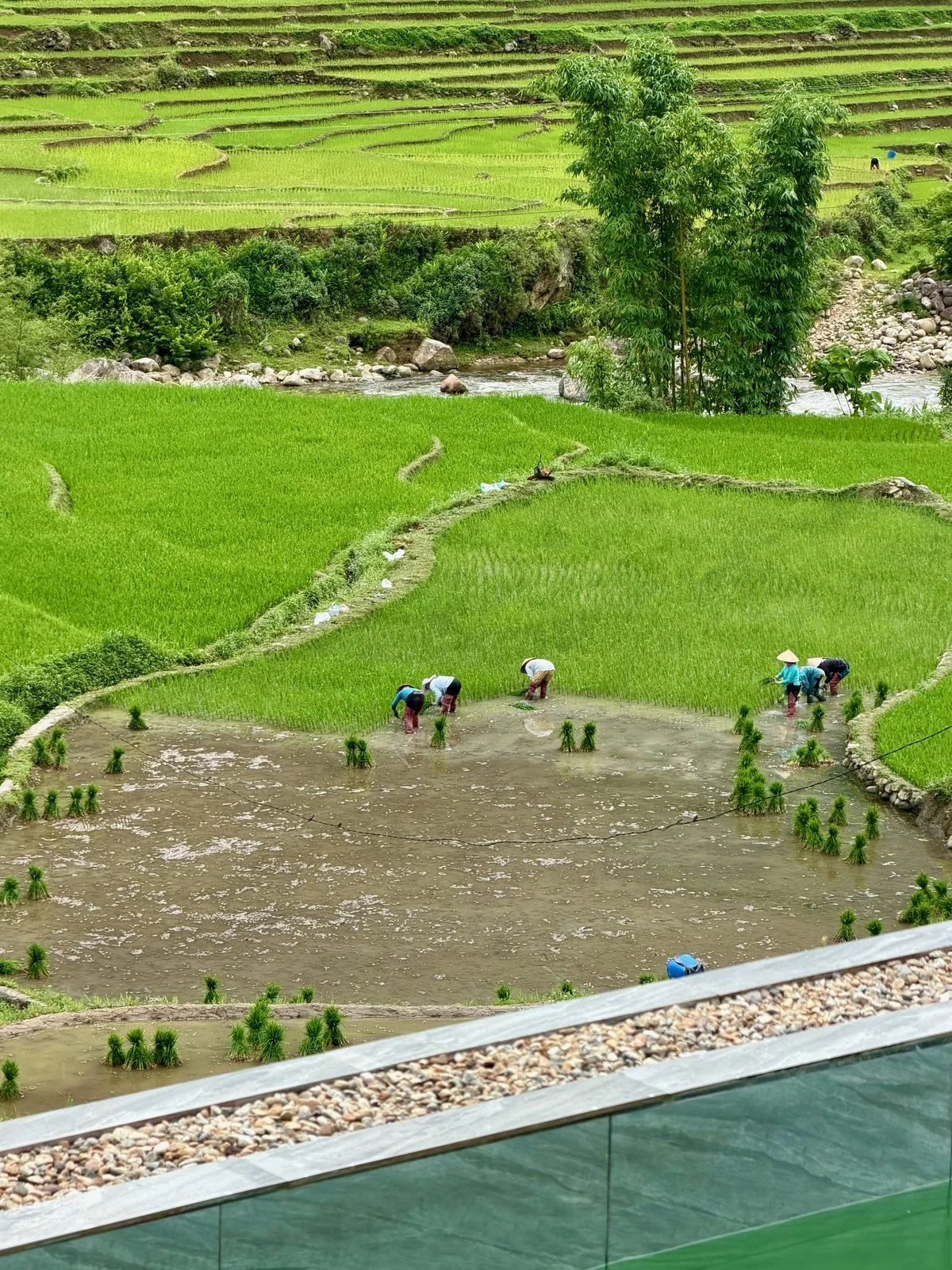
Then it was time for Fansipan, the tallest mountain in Vietnam (and all of Indochina) at about 3,143 meters.
Don't worry, I did NOT hike it. Sun World built a whole system to get you to the top:
The funicular train from Sun Plaza in the middle of Sa Pa town. The station looks like a fancy European train station, all glass and iron.
The cable car from the base station, up over the valley and into the clouds
Another short funicular or about 600 stone steps to the summit marker


The cable car ride is LONG and goes over a huge green valley. At the base station there's a big flower garden too, so give yourself time to walk around before you go up.
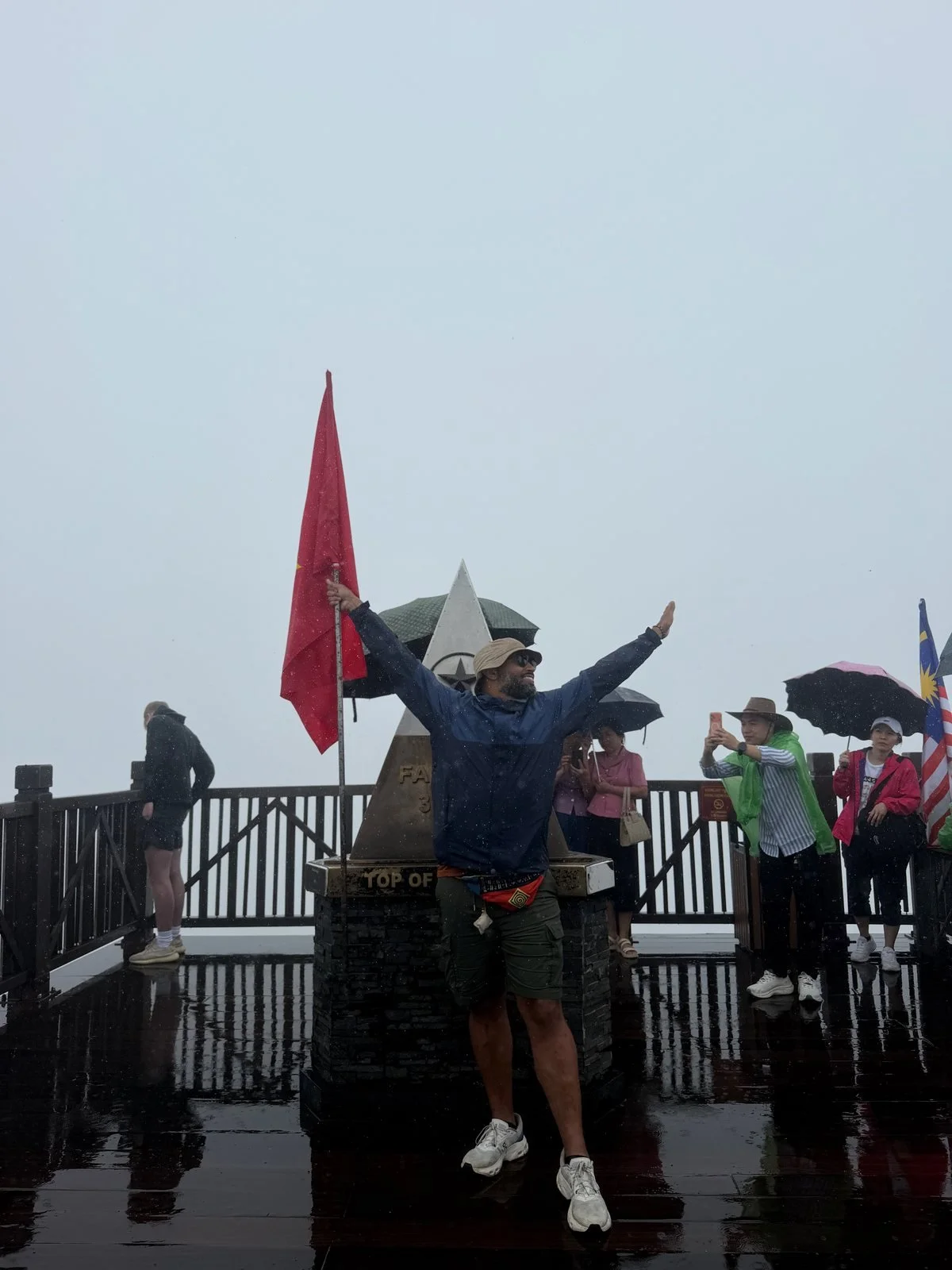
And then... we went into the clouds. Real talk, by the time I got to the top it was SO foggy I could barely see past the flag. Some people get these crazy clear views over the mountains. I got a wall of white. But I still threw my arms up at 3,143 meters, okay?
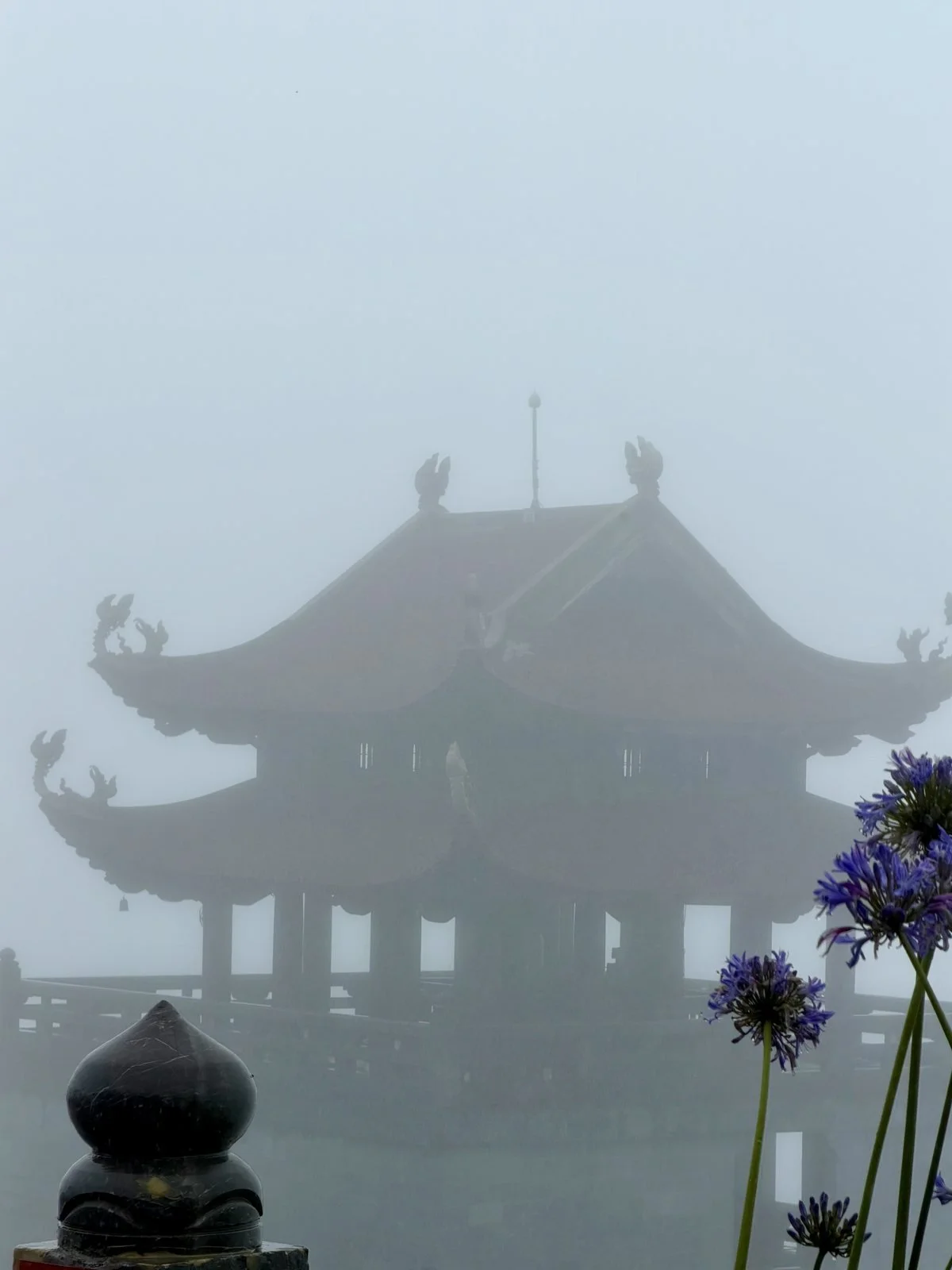
The pagodas and temples up there in the fog were kind of magical though. It felt like a movie.
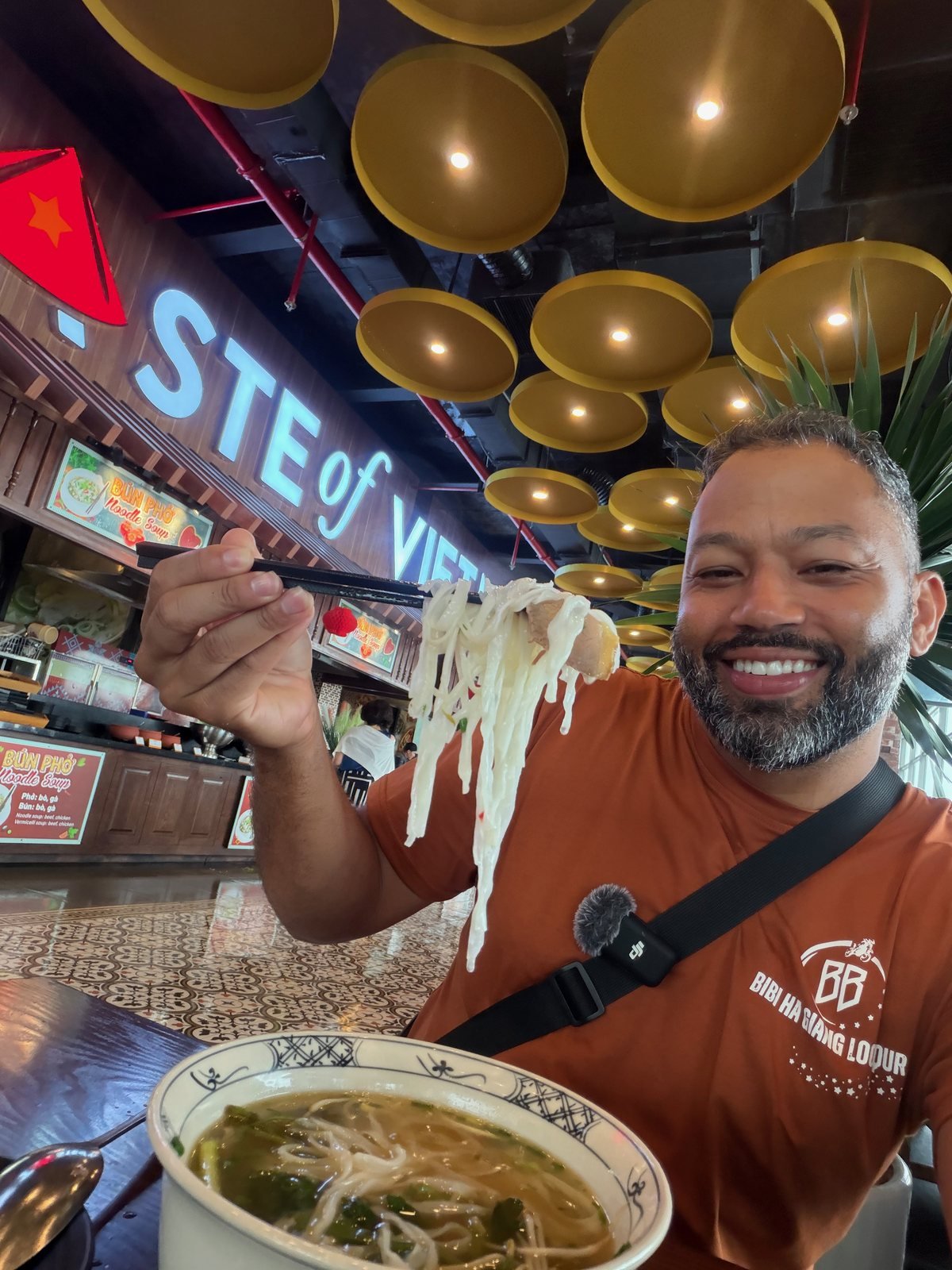
After the summit I warmed up with a big bowl of pho at the food court at the station.
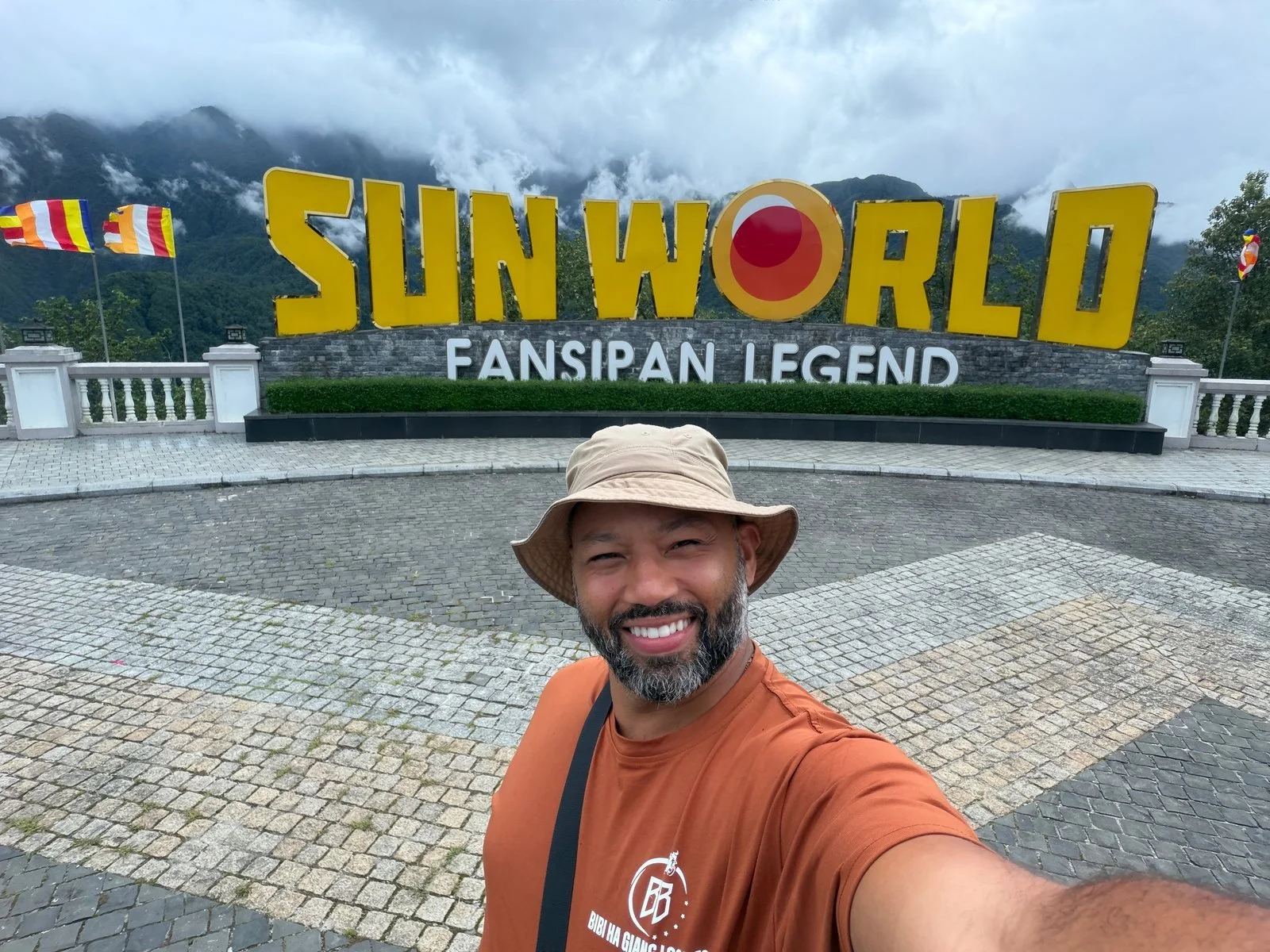
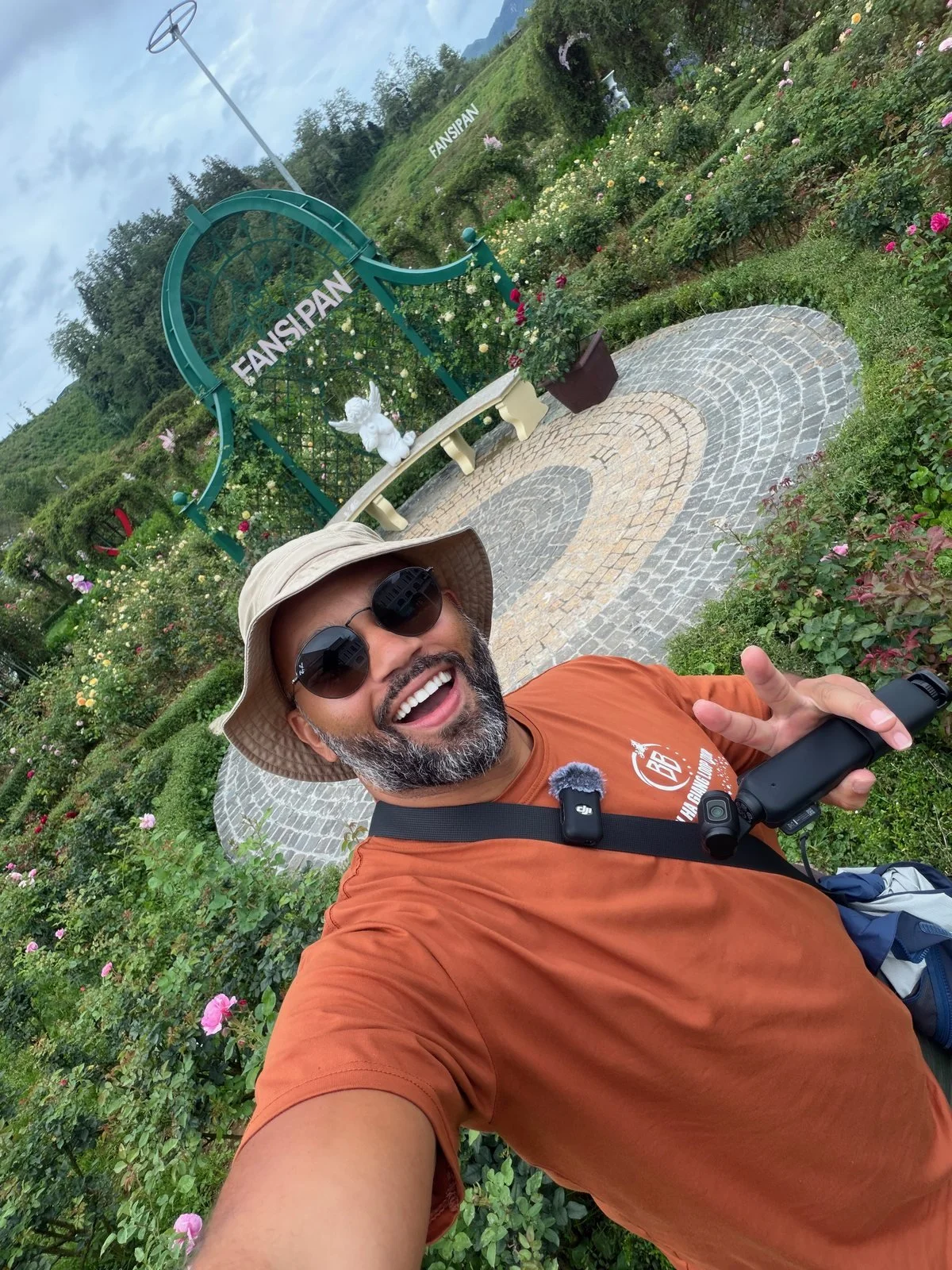
Back down at the bottom, the clouds cleared a little and I walked around the Sun World gardens: roses, flower fields, the big Sun World sign and the "I ❤️ Sapa" sign. Get your photos.
Fansipan tips:
Cost: The cable car is about 850,000 VND (around $33) for adults. The funicular trains cost extra, and Sun World sells combo tickets. Prices change, so check before you go. You can also grab Fansipan tickets on GetYourGuide.
Go EARLY. Mornings are usually the clearest, and the tour buses pile in late morning. I went up around 10:30 and got... well, you saw.
Bring a jacket. It's a LOT colder at the summit than in town. I was in a T-shirt down below and a rain jacket up top.
Wear real shoes. The steps get wet and slippery.
That afternoon I went back to Ta Van and did a Red Dao herbal bath. It's a traditional medicinal bath of the Red Dao people, a hot wooden tub full of dark herbal water. You sit in it for 20 minutes or so and your whole body just... lets go. After three days on a motorbike and a day on a mountain? I NEEDED that. I did mine at La Dao Spa, which is the same place I moved into later. That's how much I loved it. Prices change, so check their current menu, but a spa bath like this costs a bit more than the basic village bathhouses. Worth every dong.

Day 2: Trekking the Rice Terraces With a Hmong Guide
This was the big one. A full day trekking through the Muong Hoa Valley with a local Hmong guide. I booked it with the Sapa Sisters, a women-led trekking group run by local Hmong guides, and I'm pretty sure I found them on GetYourGuide. Day treks are pretty affordable, usually somewhere around $25–60 per person depending on the route and group size.
And it RAINED. Umbrellas out, ponchos on, mud everywhere. We walked through corn fields, along little paths on the sides of the mountains, and up to viewpoints looking out over the whole valley.
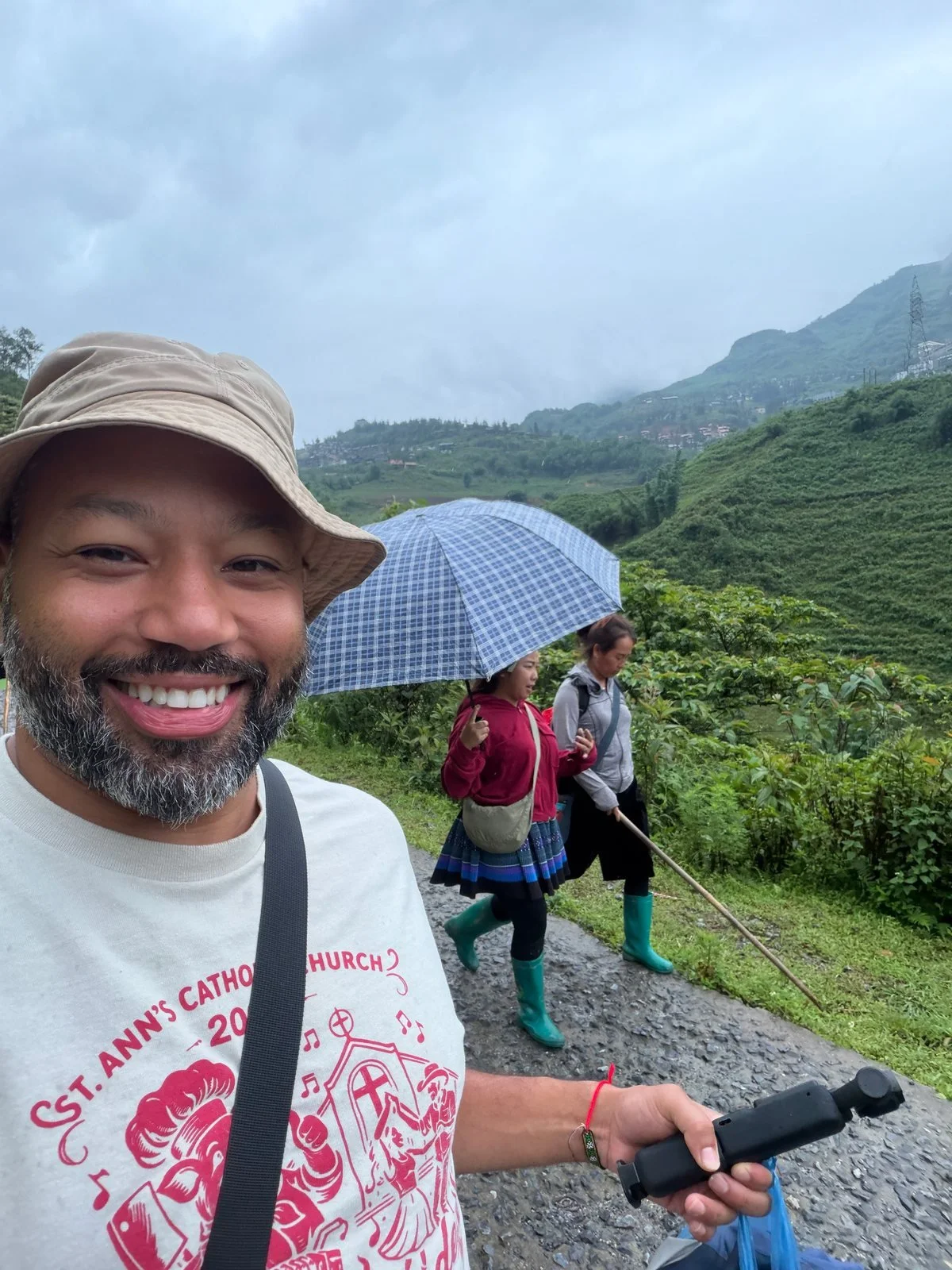
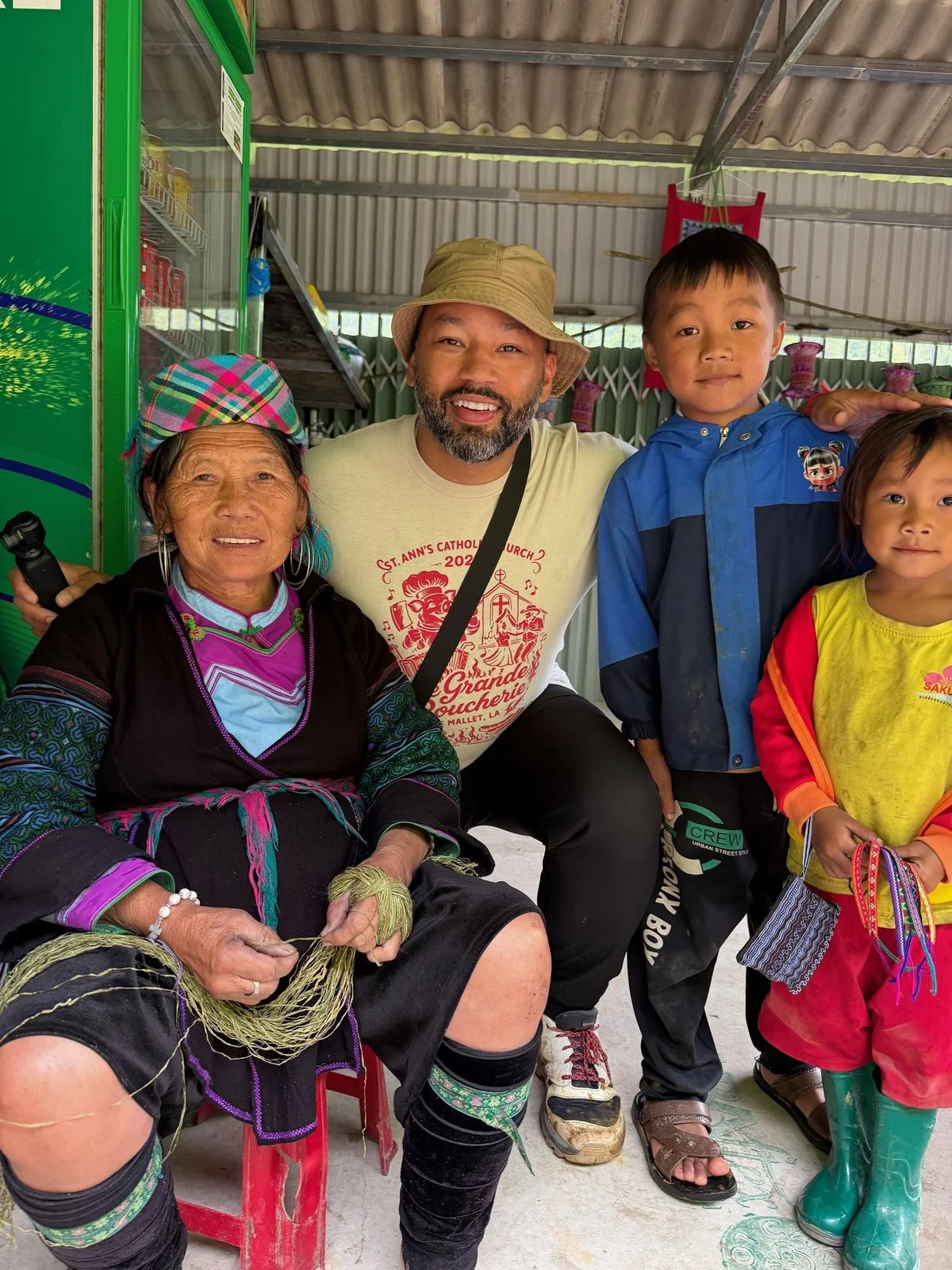
My guide was everything. I'm MAD I don't remember her name, but she was AMAZING. And honey, that was a TREK. We were hiking through the rain and the mud, and my feet were SOAKING wet. Do not wear the boots I wore. Get real waterproof hiking boots before you go, or your feet are gonna be soaked the whole day. I'm serious.
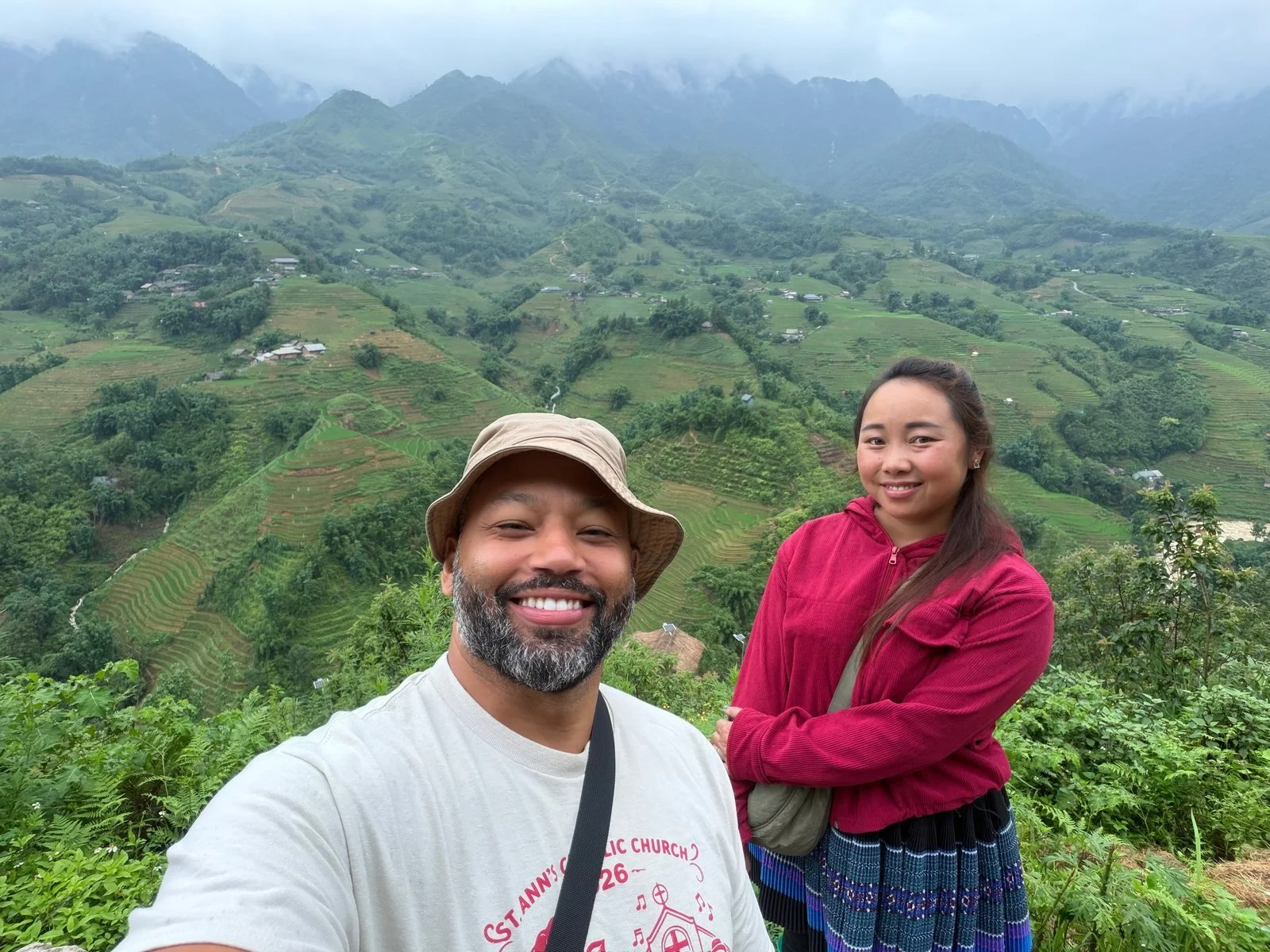
Because of all the rain, the waterfall on the route was RAGING. Brown water just pouring down the mountain. Rainy season does have its perks.

Along the way, she took us to her parents' house. Her mom and dad welcomed us right in, and it felt less like a tour stop and more like being invited over by a friend's family.
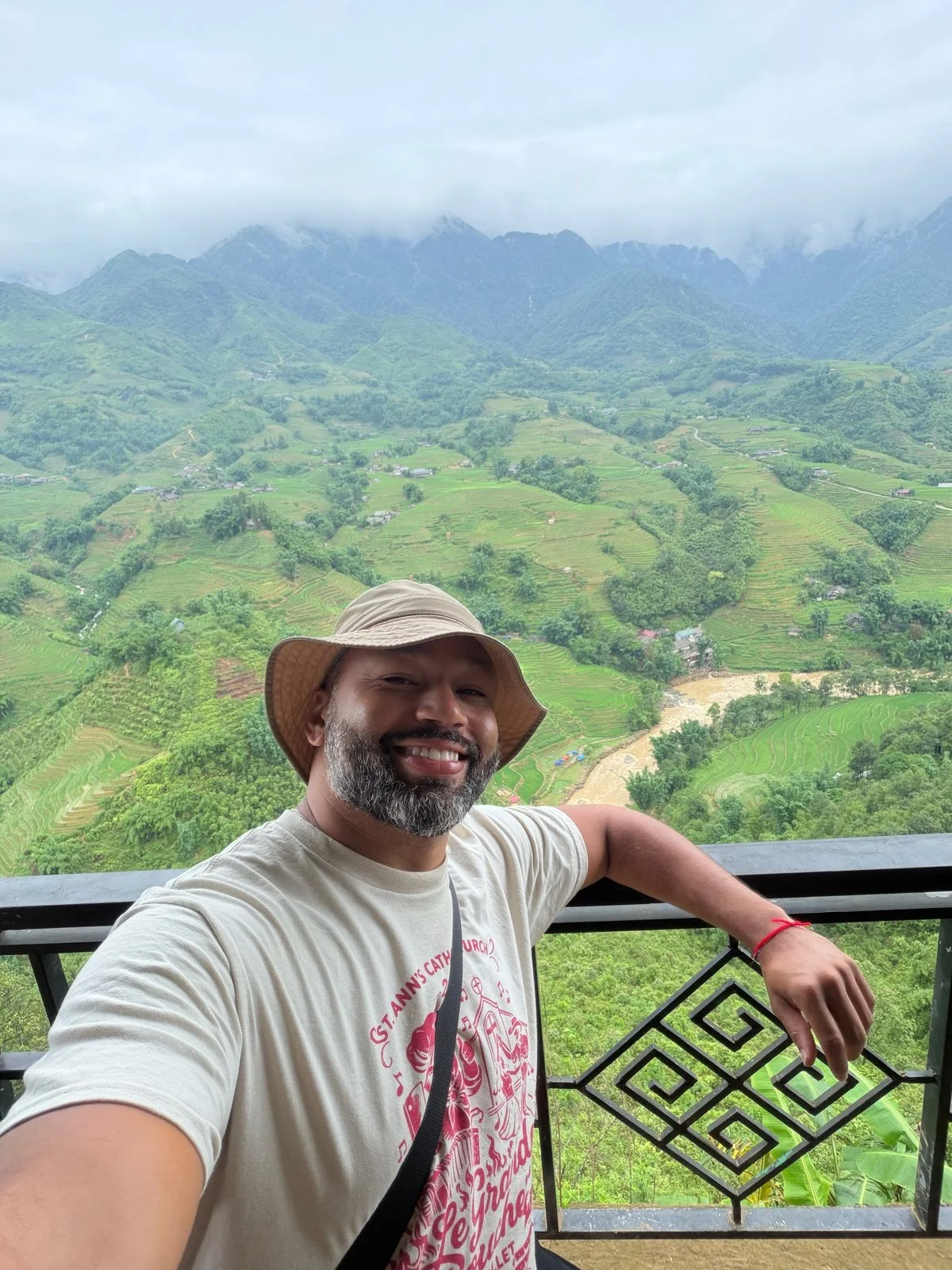
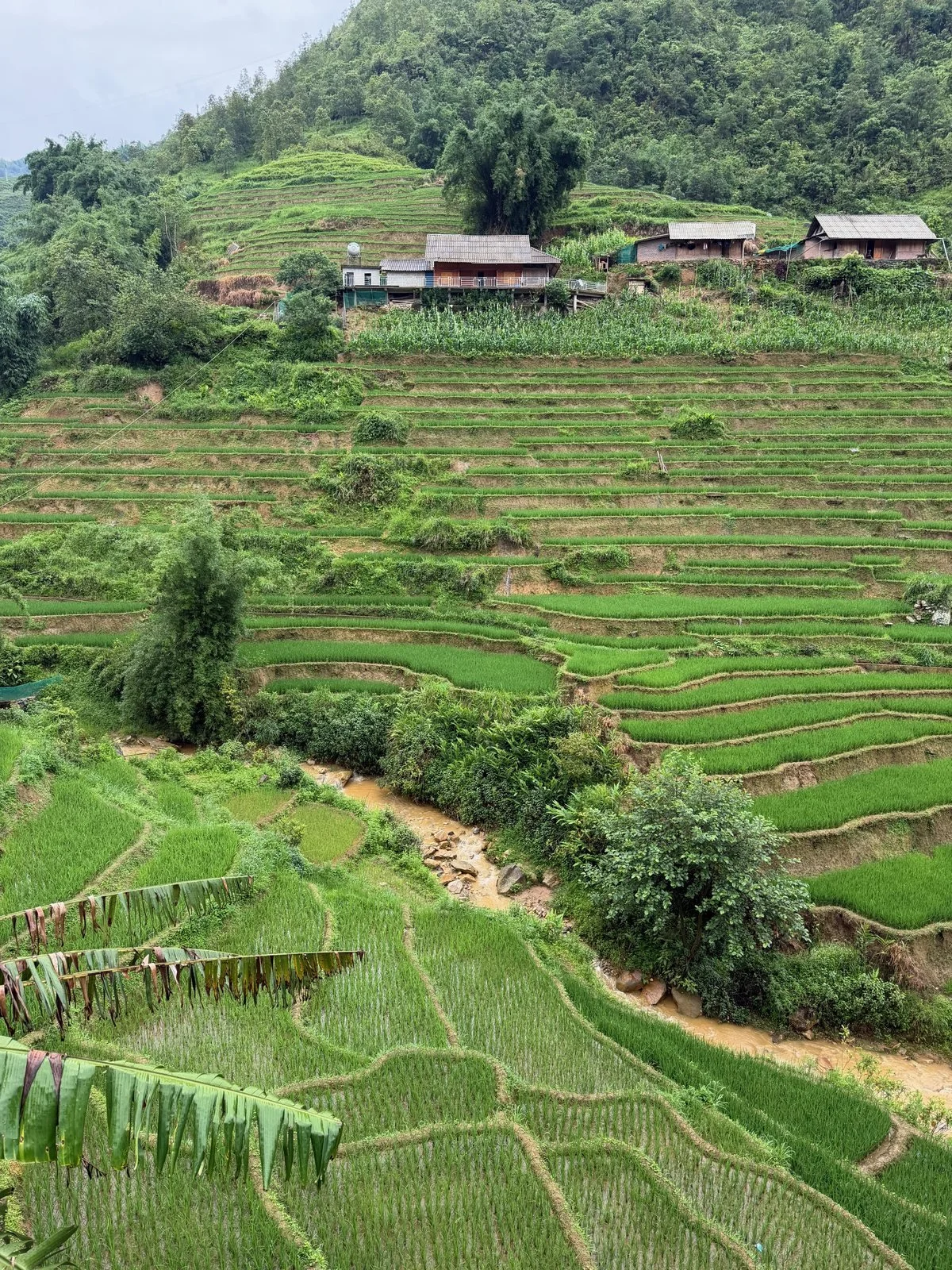
Then the rice terraces. This is what you come to Sa Pa for. Layer after layer of green stacked down the side of the mountain, with the river running through the bottom of the valley and little villages tucked in between. Pictures don't even do it justice.
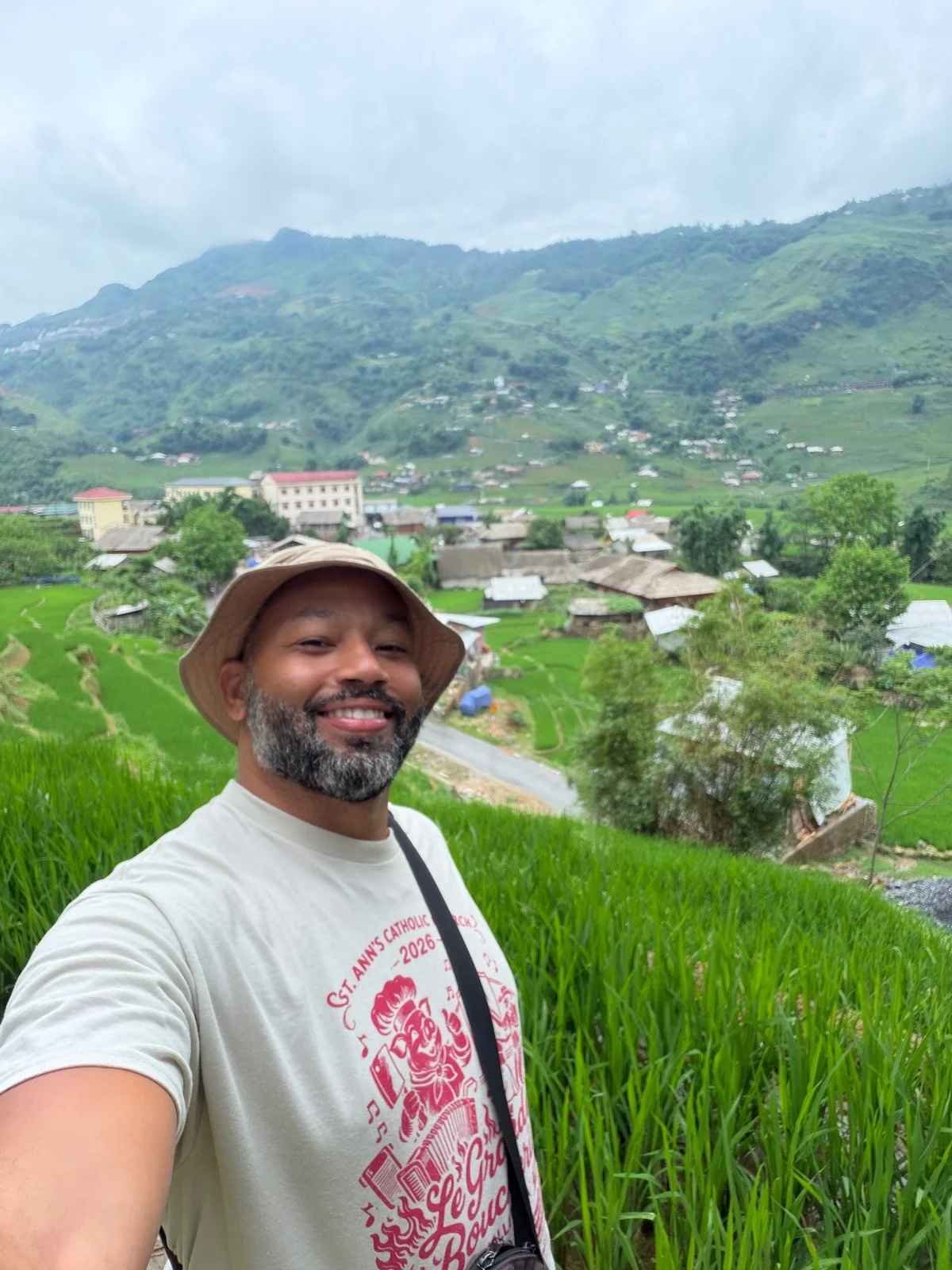
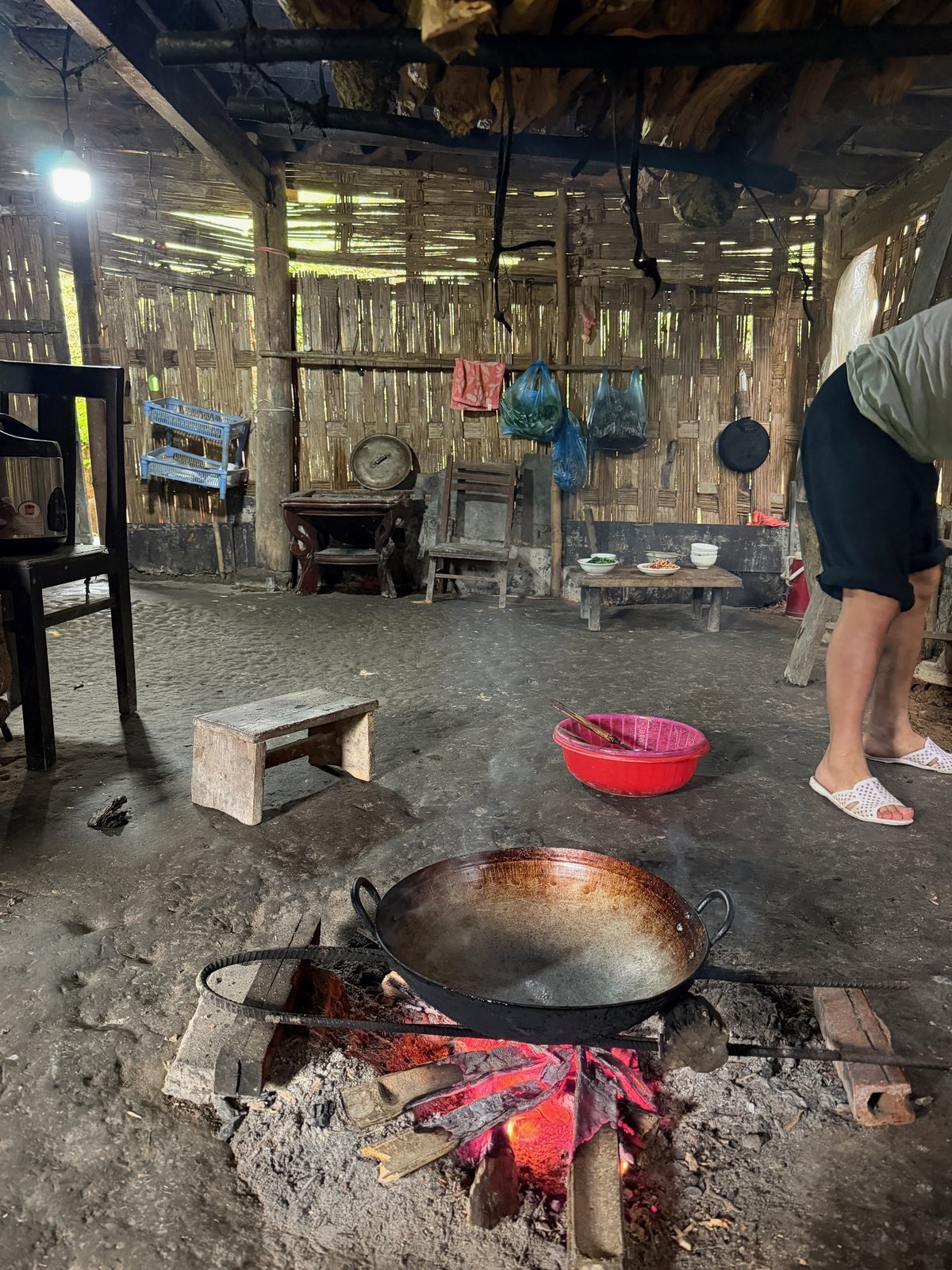
Lunch was inside their traditional wooden house, with her dad cooking in a big wok over an open fire on the dirt floor. And y'all... I think that was the BEST meal I've had in Vietnam. Period. It was so freaking good. I would do this whole day again in a heartbeat.
Trekking tips:
Go with a local guide. The paths aren't marked, they get muddy and slippery, and a local guide can actually tell you about the villages you're walking through. Your homestay can usually set one up, or you can book a Sa Pa trek on GetYourGuide.
Wear shoes with grip. I mean it. Mud is no joke.
Bring a rain jacket and an umbrella, even if the morning looks clear. The weather up here changes in MINUTES.
Bring small cash. Women from the villages will walk with you and sell handicrafts along the way, and the village stops sometimes charge a small entrance fee.
Get Travel Insurance (Seriously, Don’t Skip This)
Look, I know insurance isn’t the sexy part of planning a trip. But I promise you do NOT want to be the person paying out of pocket for a hospital visit after a scooter accident, some bad street food, or a surprise trip to the ER in a country where you don’t speak the language. I use SafetyWing because it’s built for people like us who bounce from country to country, and you can sign up even after you’ve already left home.
Day 3: Do Absolutely Nothing (On Purpose)
Day 3 was a slow day, and I'm telling you to take one too. Breakfast, noodles with a view, sitting on the balcony watching the clouds move over the terraces. That's it. That's the itinerary.
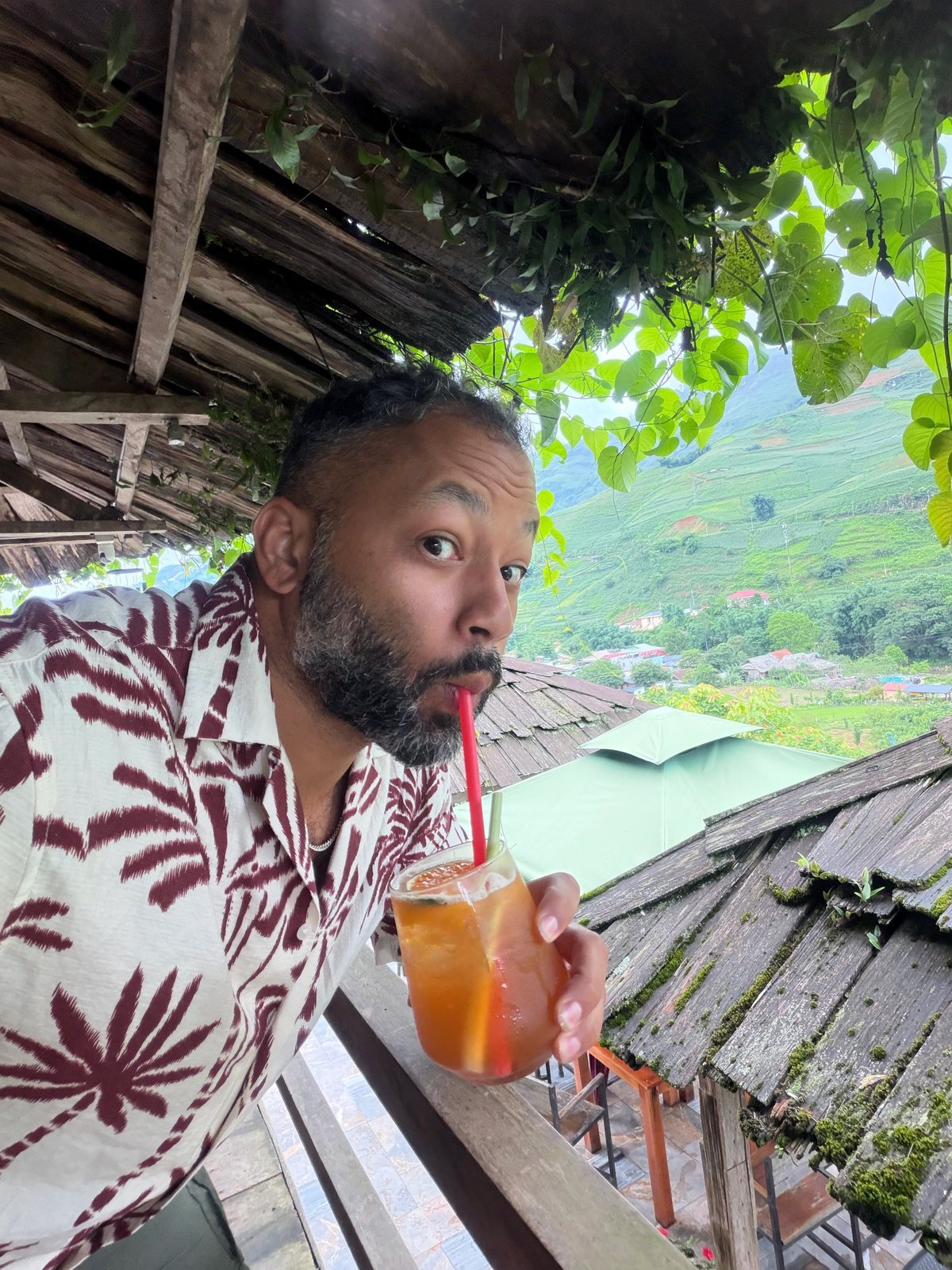
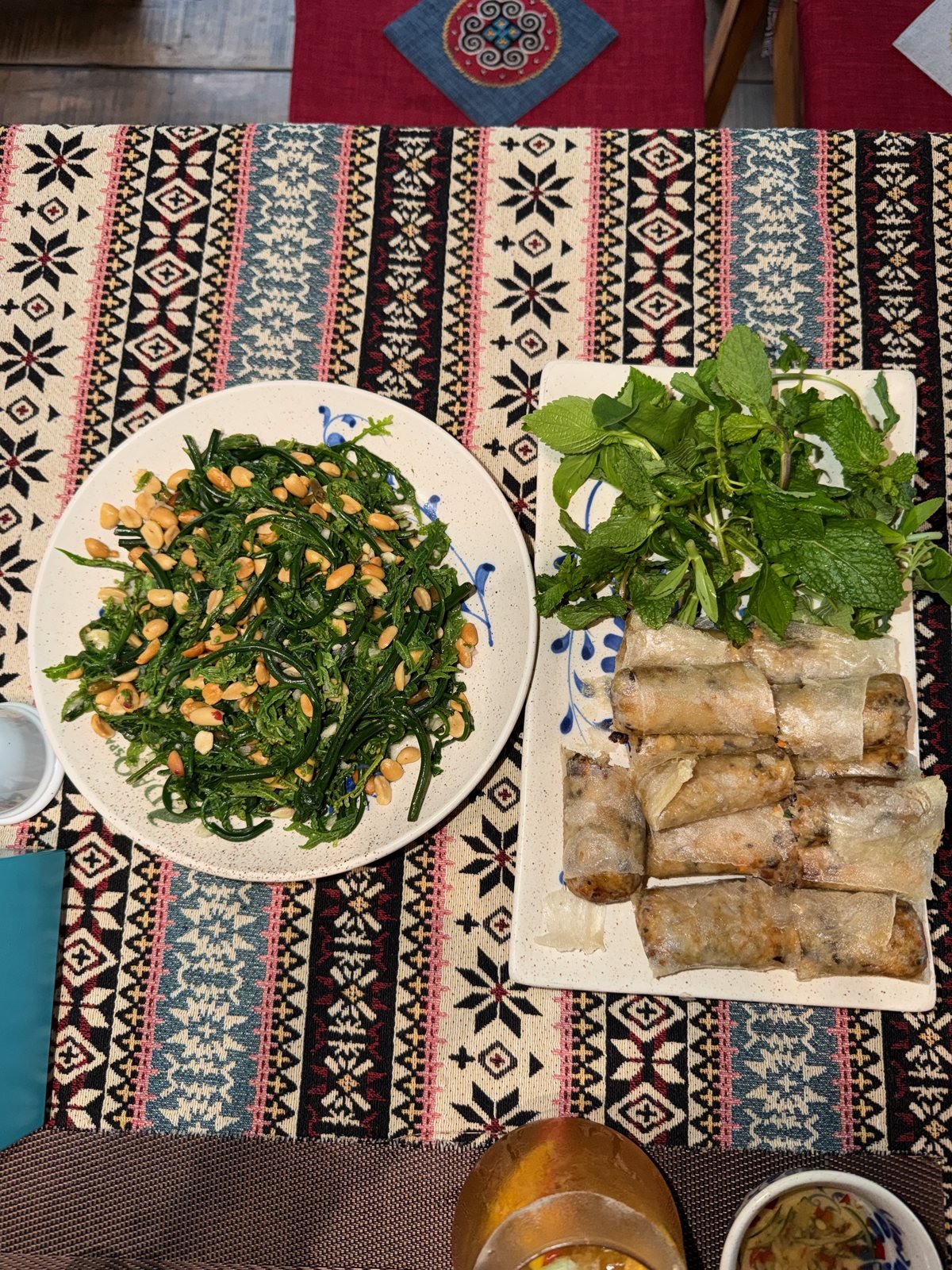
I found a little cafe up on the hillside in Ta Van and sat there sipping a drink while looking out over the valley. Then lunch: spring rolls and stir-fried greens.

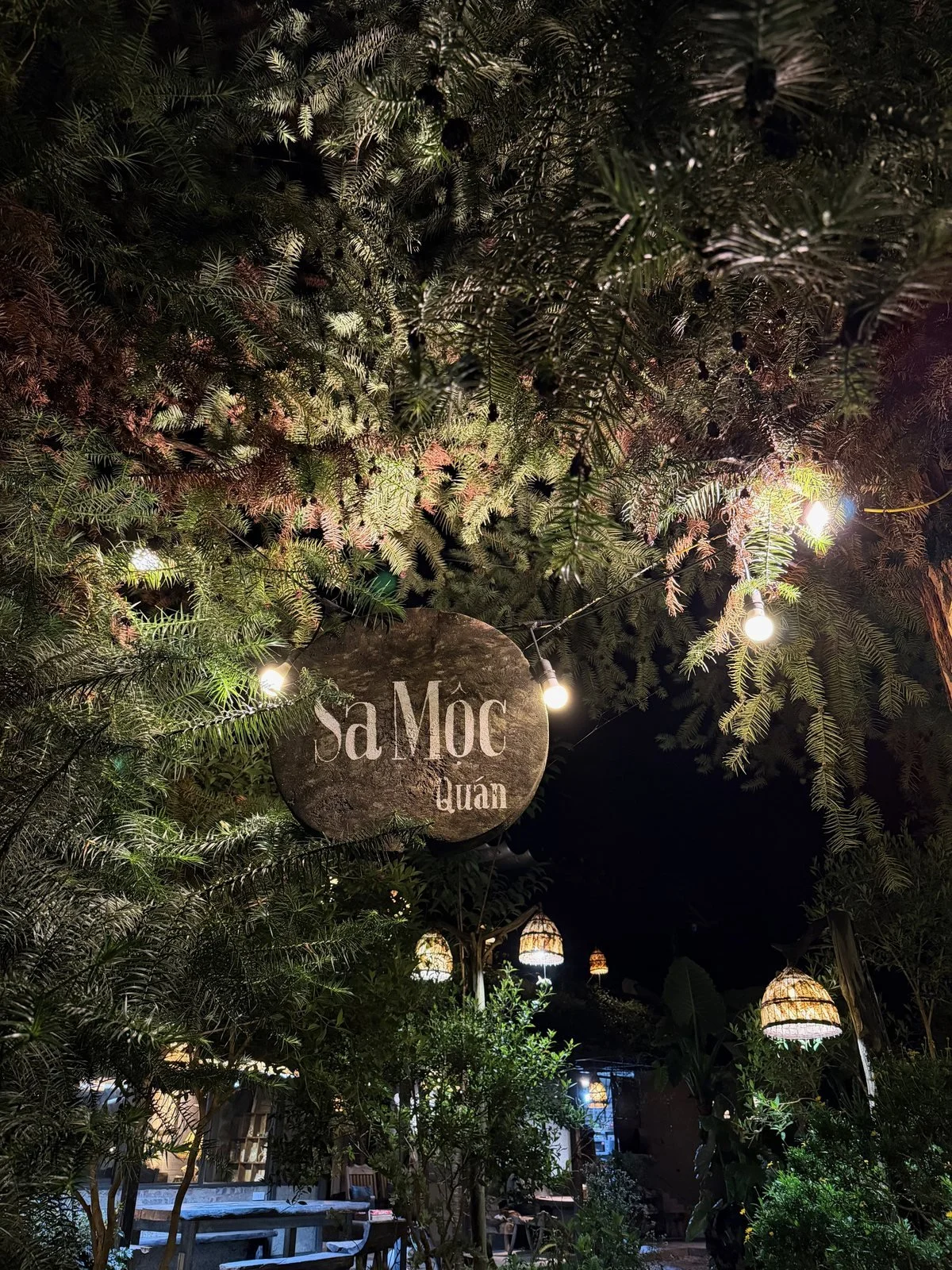
That night I had dinner at Sa Mộc in Ta Van. The garden is full of trees and string lights, with little stone paths running through it. At night it is a WHOLE vibe.
Day 4: Lunch in Sa Pa Town
On my last full day I went into Sa Pa town for lunch on Muong Hoa Street.
Sa Pa town is worth a quick visit for the restaurants, the night market and a walk around the lake. But I was happy to head back to the village afterward.
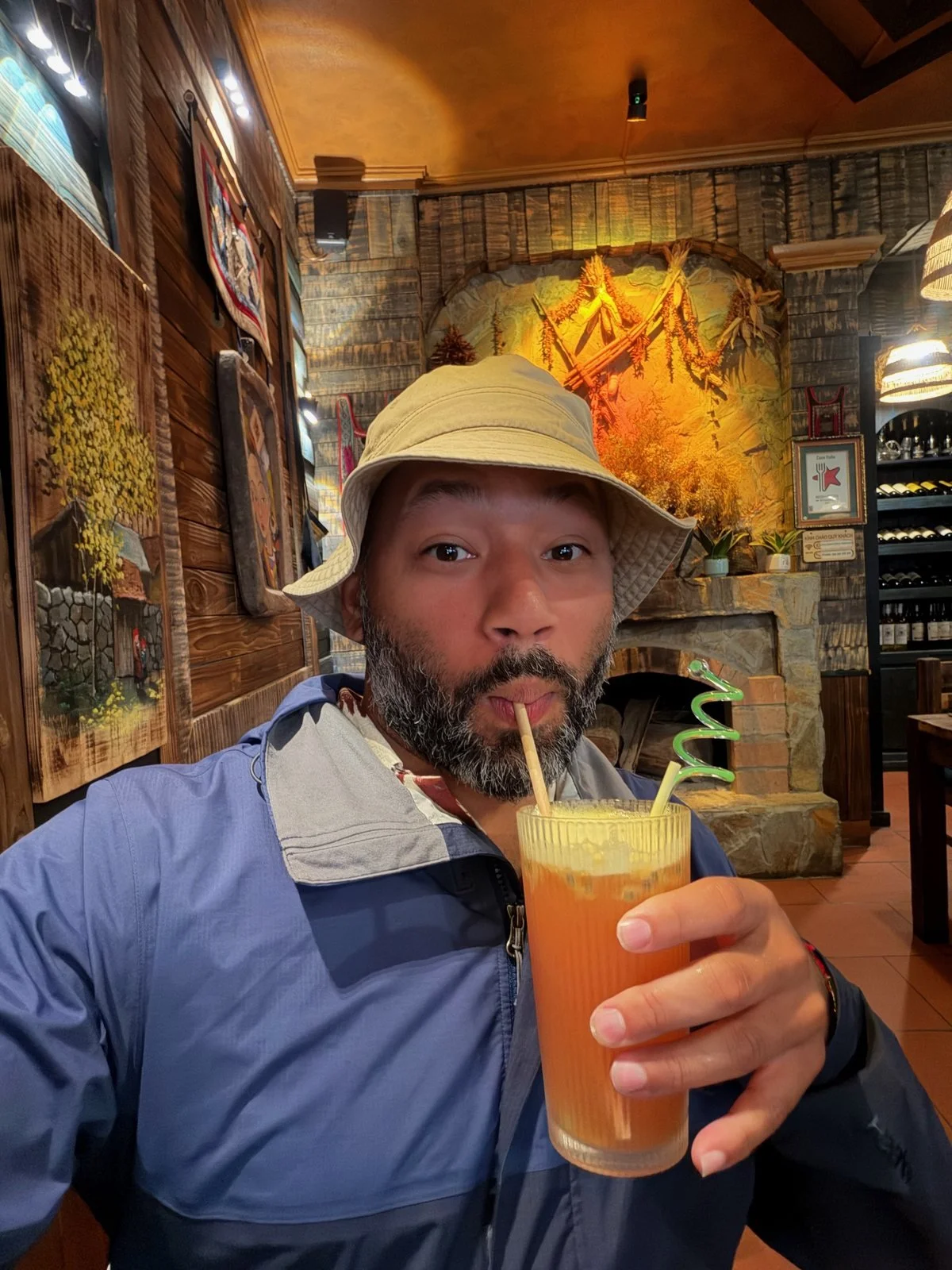
The next morning I was out early, around 7 AM, rested, recharged and ready for the next stop.
How Much Does Sa Pa Cost?
Prices change, so check before you go, but here's a rough idea for 2026:
Limousine van from Hanoi: about $13–18 each way
Village homestay or boutique stay: roughly $25–60 a night out in Ta Van (check current prices)
Fansipan cable car: about 850,000 VND (around $33), plus extra for the funicular trains, or buy a combo ticket
Red Dao herbal bath: about 80,000–300,000 VND ($3–12) depending on where you go
Guided trek: about $25–60 per person for a day trek (I went with the Sapa Sisters)
Food: local meals are cheap. A bowl of noodles or a plate of spring rolls is a few dollars. Tourist restaurants in town cost more.
Where to Stay in Sa Pa
Village or town? Village. Every time. But here are a few options either way:
| Hotel | Area | Why I'd Book It | |
|---|---|---|---|
| Lee's House | Ta Van village | Where I stayed. Infinity pool right over the rice terraces. | Check Prices |
| La Dao Spa Homestay | Ta Van village | Where I stayed my last two nights. Herbal baths, massages, and they treat you like ROYALTY. | Check Prices |
| Sapa Clay House – Mountain Retreat | Lao Chai / Muong Hoa Valley | Earthy, design-y stay out in the valley with big views | Check Prices |
| Hotel de la Coupole – MGallery | Sa Pa town | The fancy one. Bold design, indoor pool, walkable to everything. | Check Prices |
| Pao's Sapa Leisure Hotel | Sa Pa town | Big resort-style hotel with valley views and a pool | Check Prices |
| Topas Ecolodge | Outside town | Remote, splurge-y eco lodge with that famous infinity pool | Check Prices |
Best Time to Visit Sa Pa
September to early October: Harvest season, when the rice terraces turn GOLD. This is the postcard Sa Pa, and it's also the busiest.
March to May: Mild weather and fewer crowds
June to August: Planting season and rainy season. Everything is bright green, the waterfalls are pumping, and it rains... a lot. That's when I went.
December to February: COLD and often foggy. It sometimes even snows up at Fansipan.
What to Pack for Sa Pa
A rain jacket (non-negotiable)
A warm layer for the mornings, nights and Fansipan
Shoes with real grip for trekking, plus sandals
Quick-dry clothes
A swimsuit for the pool and the herbal bath
Cash. ATMs are in town, not out in the villages.
A power bank, because you WILL be taking a million photos
- Fansipan cable car tickets — skip the ticket line
- Sa Pa trekking tours — rice terrace treks with local guides
- Hanoi to Sa Pa transfers — limousine vans and buses
- Sa Pa tours from Hanoi — 2- and 3-day packages if you want it all planned
FAQ
How many days do you need in Sa Pa?
Three days minimum. One for Fansipan, one for trekking, one to slow down. I did four and didn't regret it.
Should I stay in Sa Pa town or a village?
A village. Ta Van, Lao Chai or anywhere in the Muong Hoa Valley. That's where the rice terraces are.
Is Fansipan worth it?
Yes, but go early and check the weather. If it's socked in with clouds like it was for me, you won't see much from the top.
Do I need a guide to trek in Sa Pa?
I'd get one. The trails aren't marked, the weather changes fast, and you'll learn way more about the villages.
Can I combine Sa Pa with the Ha Giang Loop?
Yes! That's exactly what I did. Read my Ha Giang Loop guide for that part of the trip.
Plan the Rest of Your Vietnam Trip
The Ha Giang Loop Guide · Vietnam Sleeper Bus Reviews · Things to Do in Ninh Binh · Cheapest Cities in Vietnam
Planning a bigger trip? Grab my Ultimate Vietnam Travel Guide.
The Bottom Line
Sa Pa was exactly the reset I needed after Ha Giang. Cool mountain air, rice terraces everywhere, a spa that treated me like a KING, and the best meal I had in all of Vietnam, cooked over an open fire by my guide's dad. If you're tired of the heat and want something slower, greener and a little more real, GO. Just pack waterproof boots and make peace with the bugs.